Banele Khoza | I was always within and without


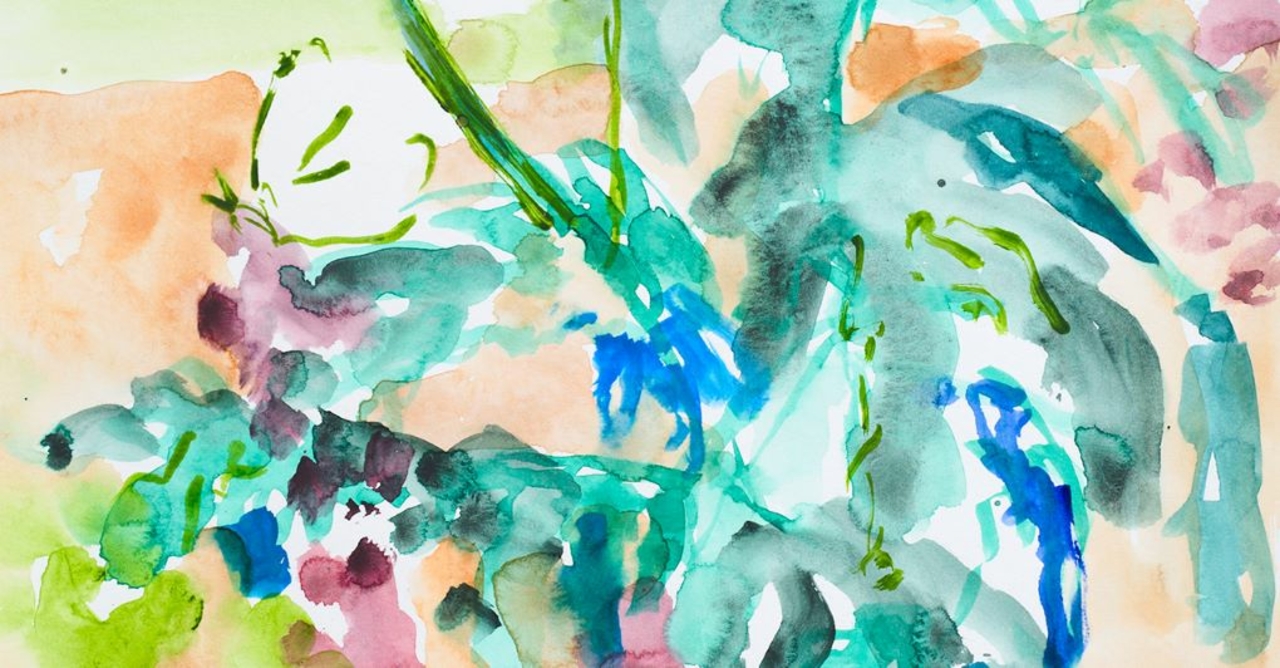
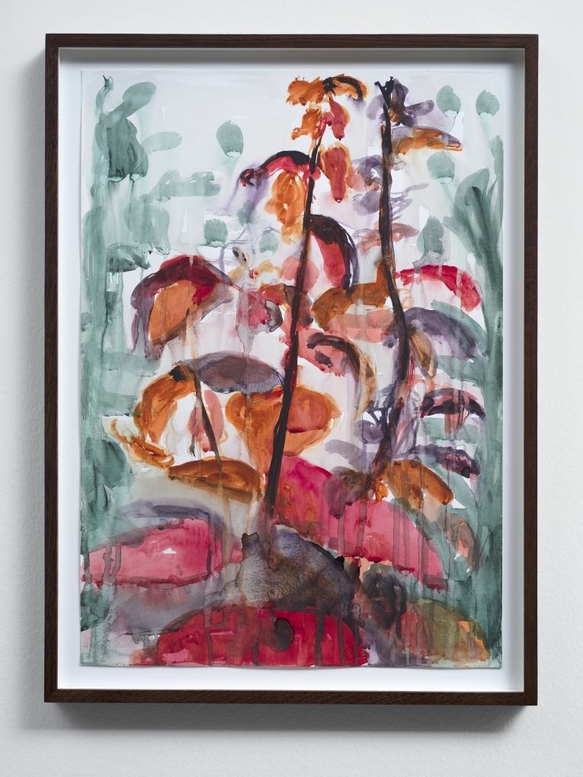
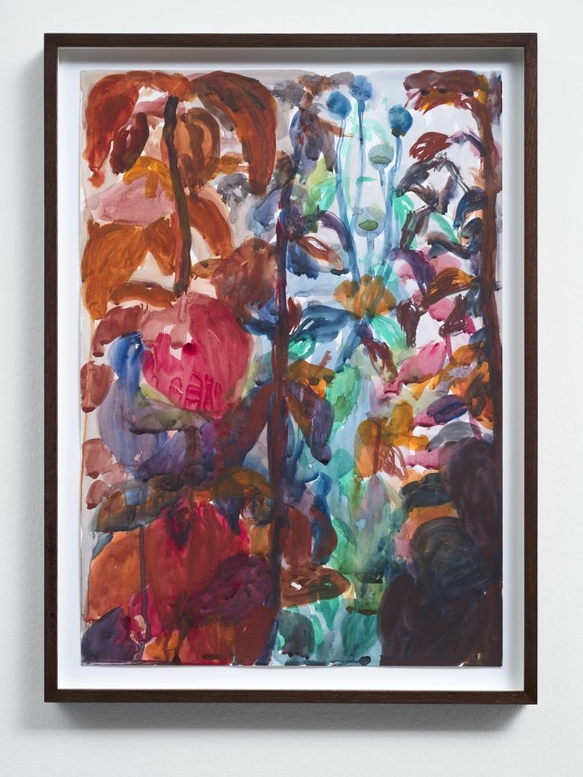
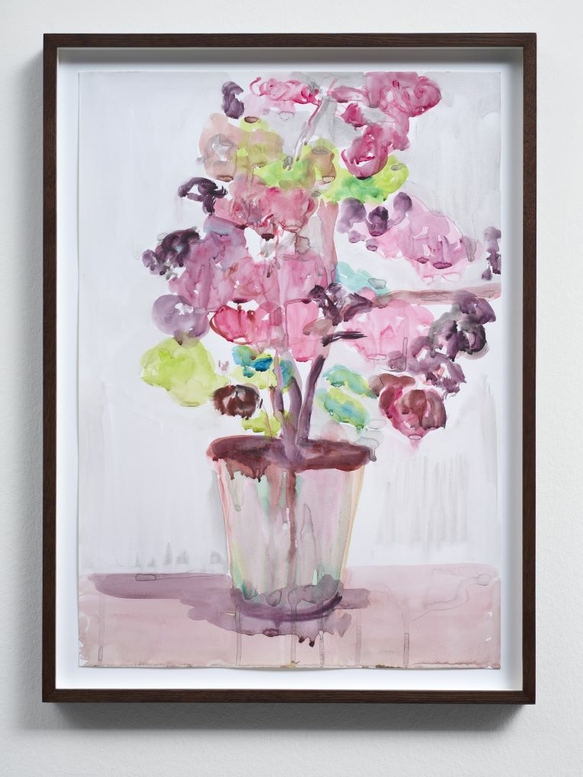
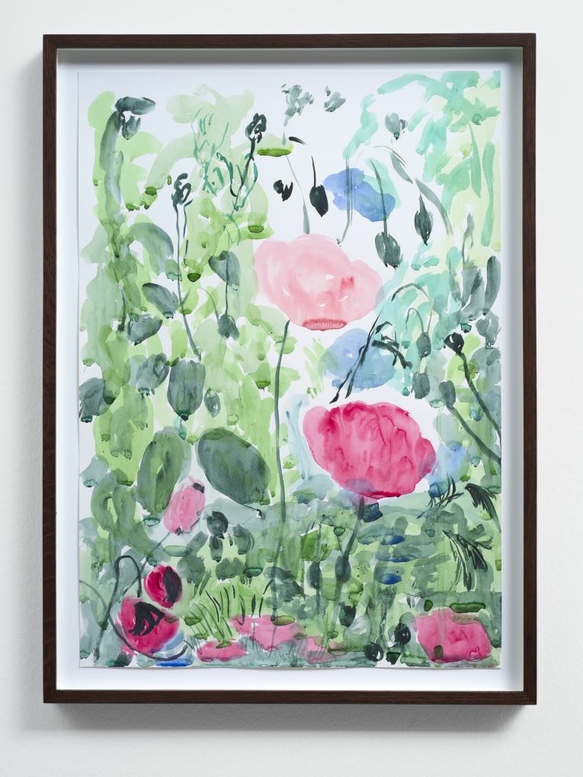
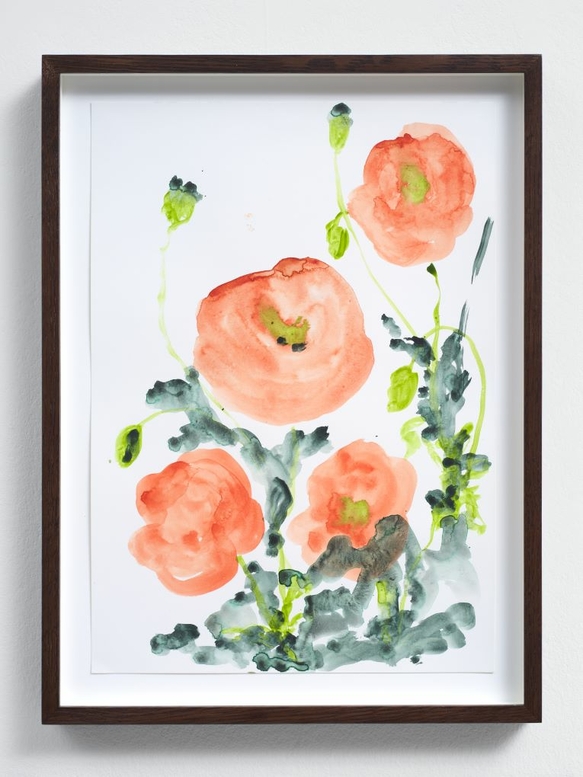
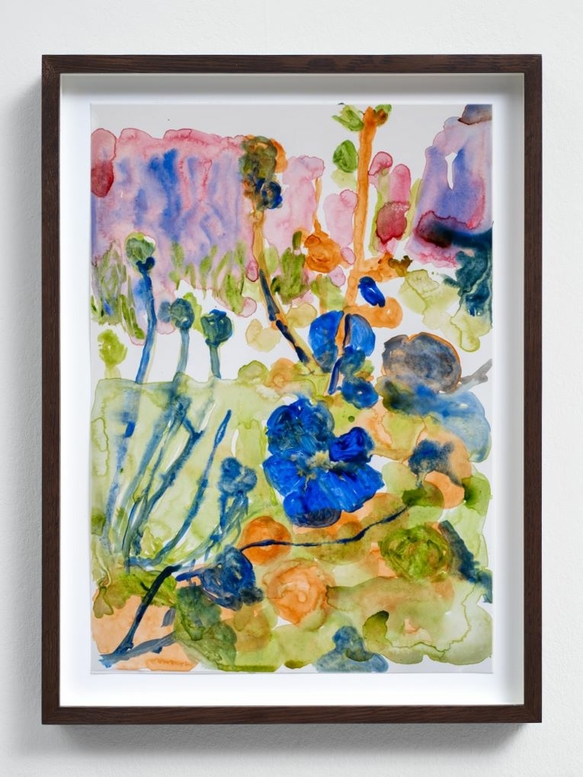
Goodman Gallery London is pleased to announce I was always within and without, a new exhibition by Banele Khoza bringing together a deeply introspective body of work developed during the artist’s 12-week residency at the Victoria House in Margate – a programme founded in 2025 by Dame Tracey Emin DBE RA. Working and living within a restored Georgian home and the wider creative community of TKE Studios, Khoza used this period of retreat and artistic immersion to expand his practice in scale, gesture and emotional depth.
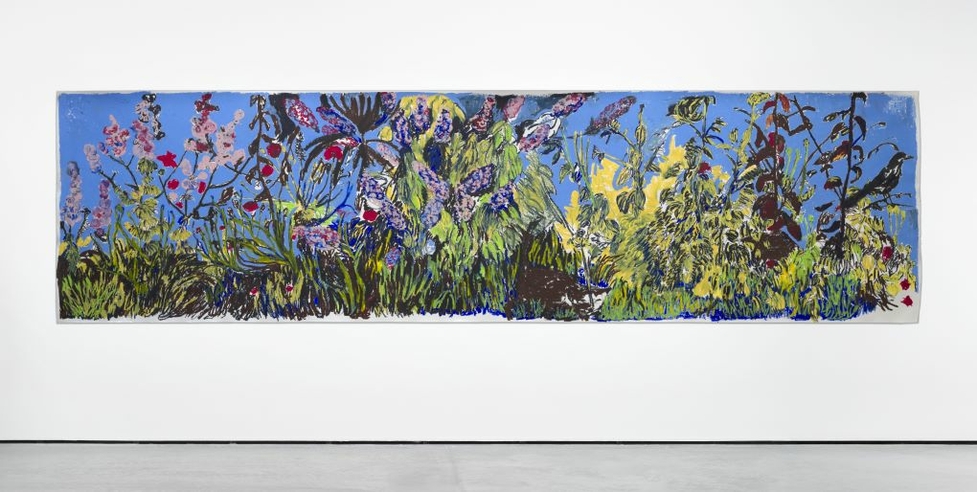
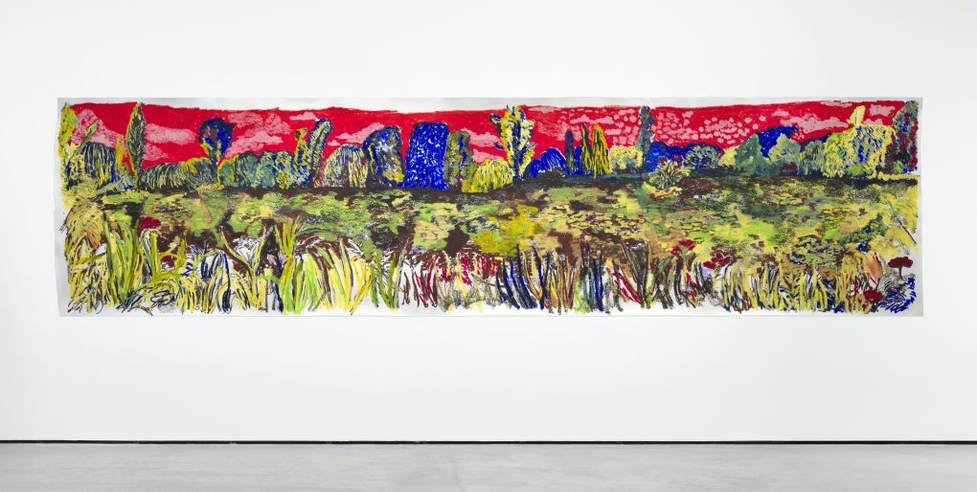
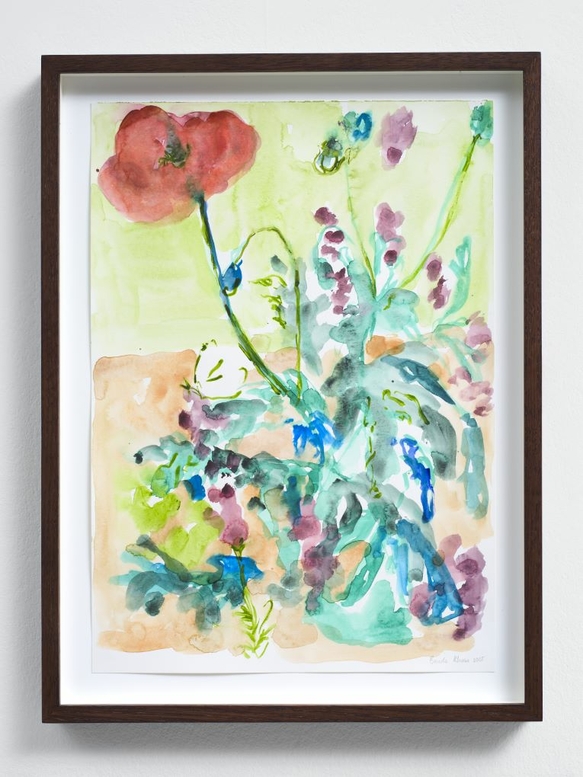
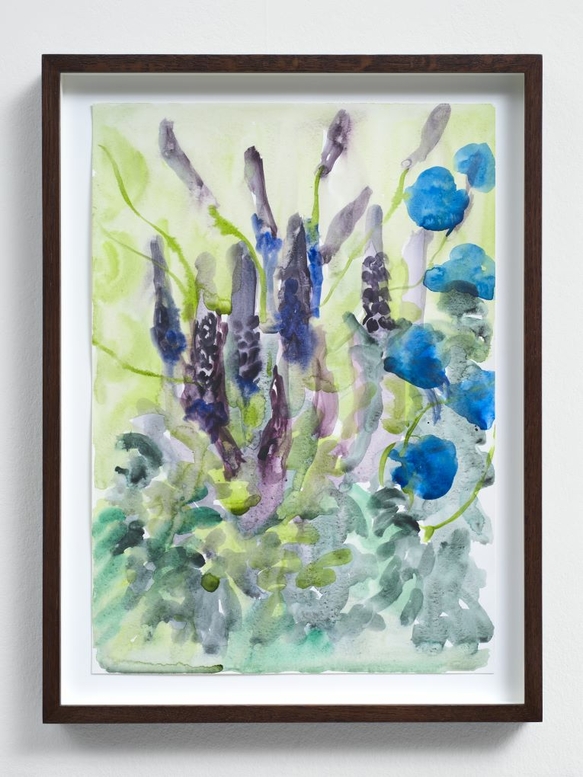
The residency marked a pivotal shift for Khoza, whose work has long centred on intimate portraiture. This shift emerged from a mix of intuition, ethics and circumstance. While in the United Kingdom, Khoza felt it inappropriate to paint people he did not know intimately – a sensitivity that has long shaped his portraiture. In Margate, he found himself turning toward the environments around him: Emin’s garden at TKE Studios, the wild and tended corners outside his studio, and the iconic gardens of Claude Monet in Giverny, which he visited three years prior and now reflected on the British gardening traditions that shape them. Encountering these spaces prompted a new way of thinking about landscape – not as a departure from portraiture, but as another mode through which to consider presence and belonging. These gardens became “portraits” of the people who shape them, while also echoing the artist’s memories of gardens in eSwatini, where Khoza was born, and their own layered histories of influence.
Khoza began working with oil sticks during the residency, embracing their immediacy, density and physical resistance to produce a series of paintings that each stretch over four metres wide. The scale of these works – coupled with the demanding, full-body effort required by oil stick – generated a heightened, almost urgent gestural language. Produced during a period of personal turbulence, these paintings offered a sense of escape and reordering – “I felt like I was painting for my life,” he recalls. Margate’s rhythms – its coastline, solitude and long walks by the ocean – further shaped the emotional atmosphere of the work, grounding it in a language of introspection. For Khoza, the garden, the ocean and the heart became symbolic sites of spiritual anchoring, places where clarity, faith and ancestral presence felt most accessible.
Artworks