Art Basel Paris 2025


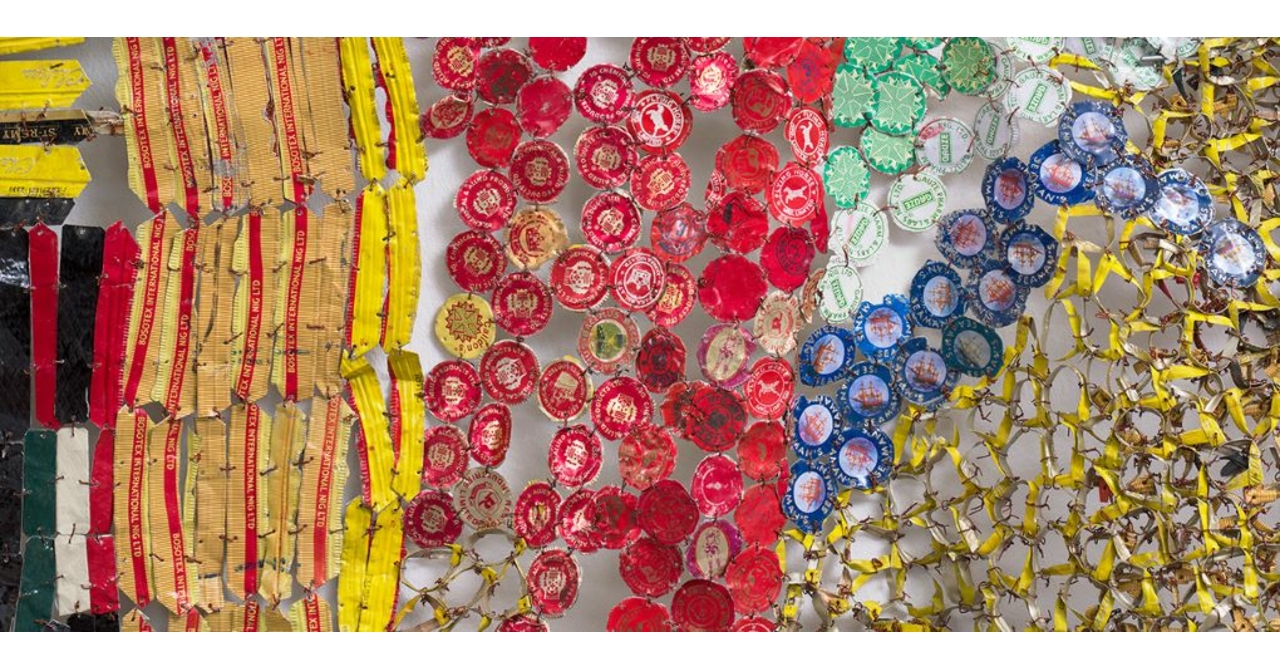
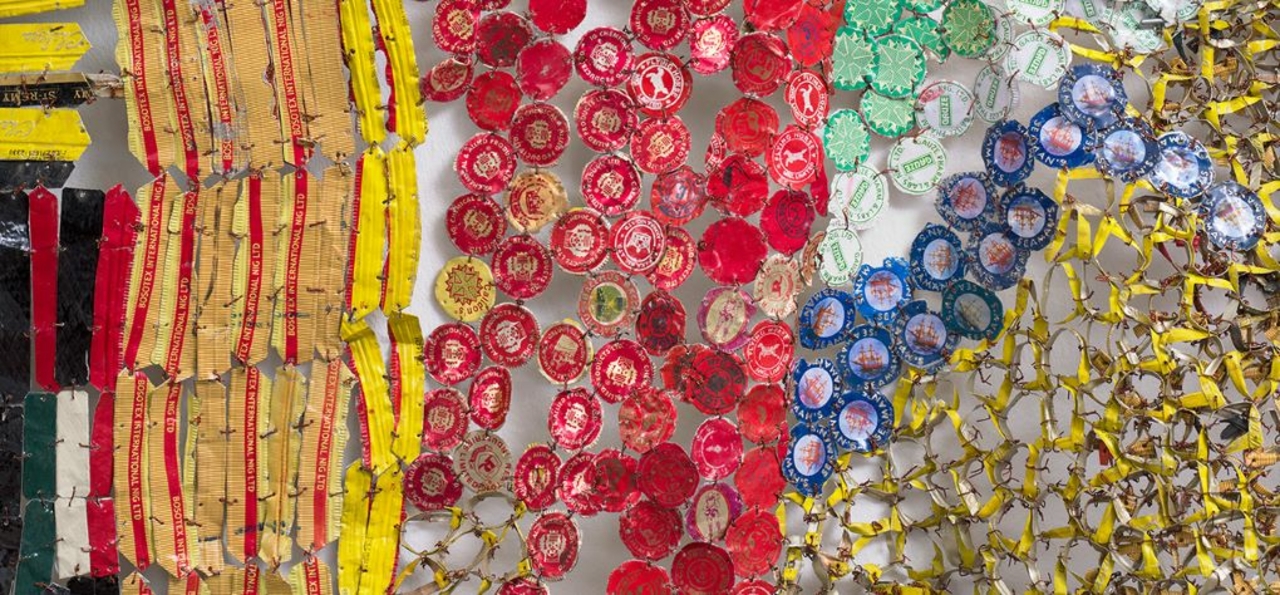
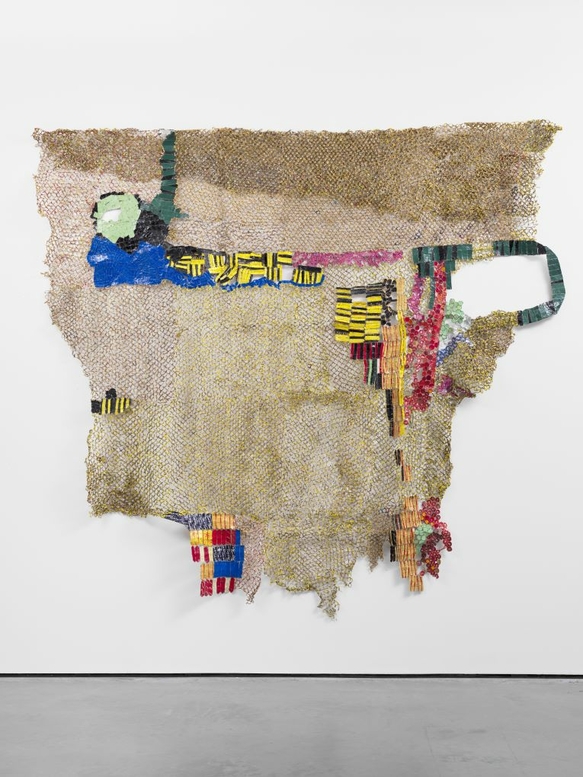
At Art Basel Paris, Goodman Gallery presents works by some of the most important contemporary and modern artists from Africa and beyond. Notably El Anatsui’s new sculptural installation made of bottle tops and fragments, Eto, 2025. This coincides with Anatsui’s inclusion in the much anticipated ‘Nigerian Modernism’ exhibition at the Tate Modern and the recent unveiling of the Safety Curtain commission at the Vienna State Opera. In London, Goodman Gallery and October Gallery host concurrent solo exhibitions focusing on his wooden sculptures.
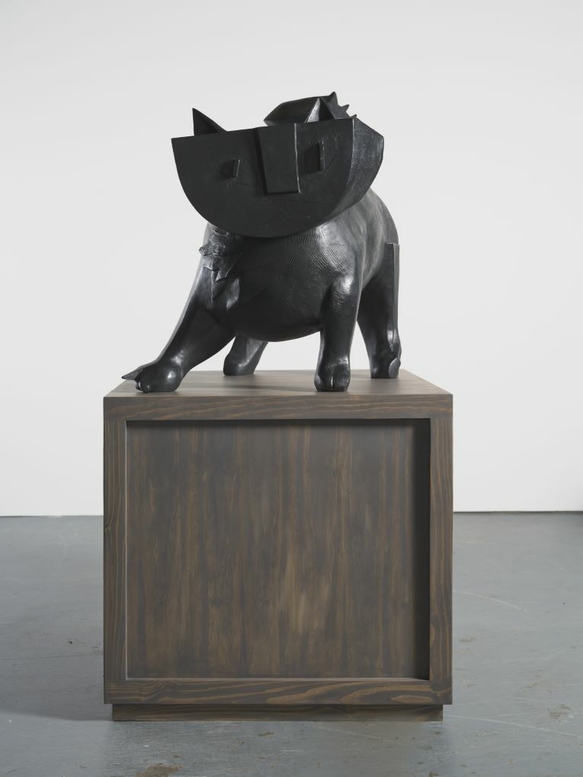
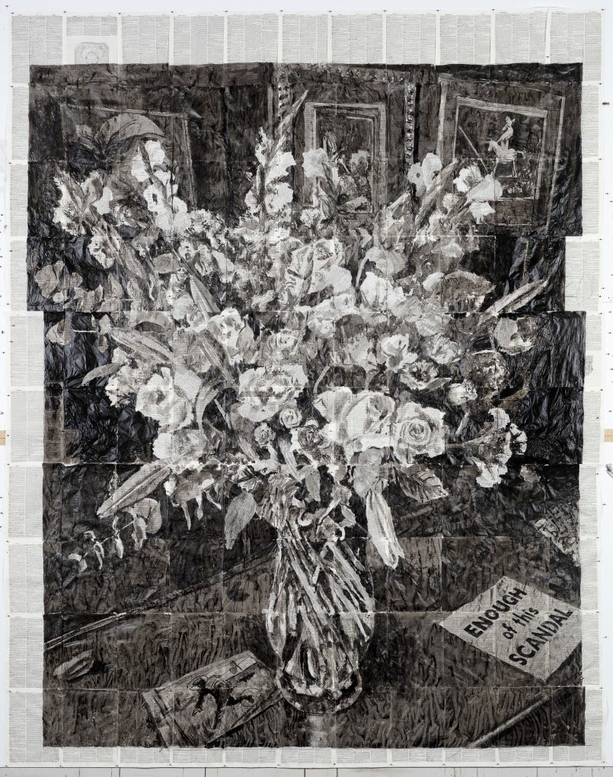
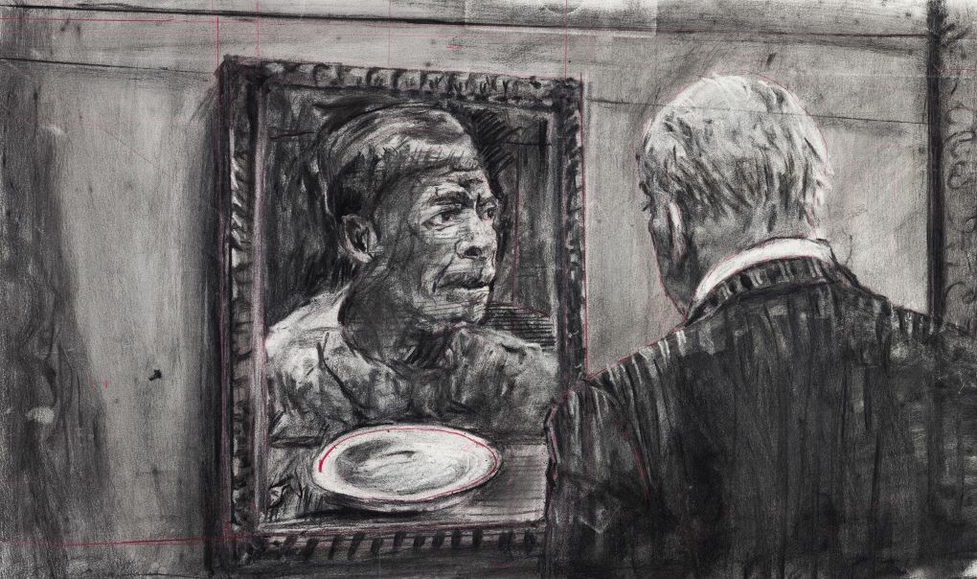
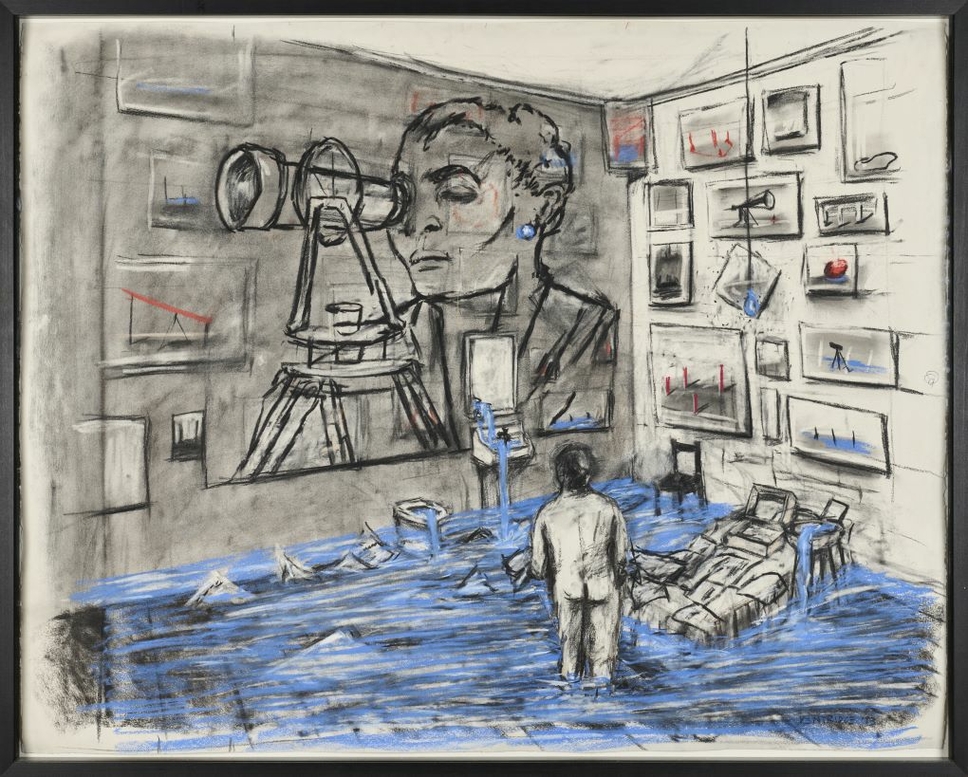
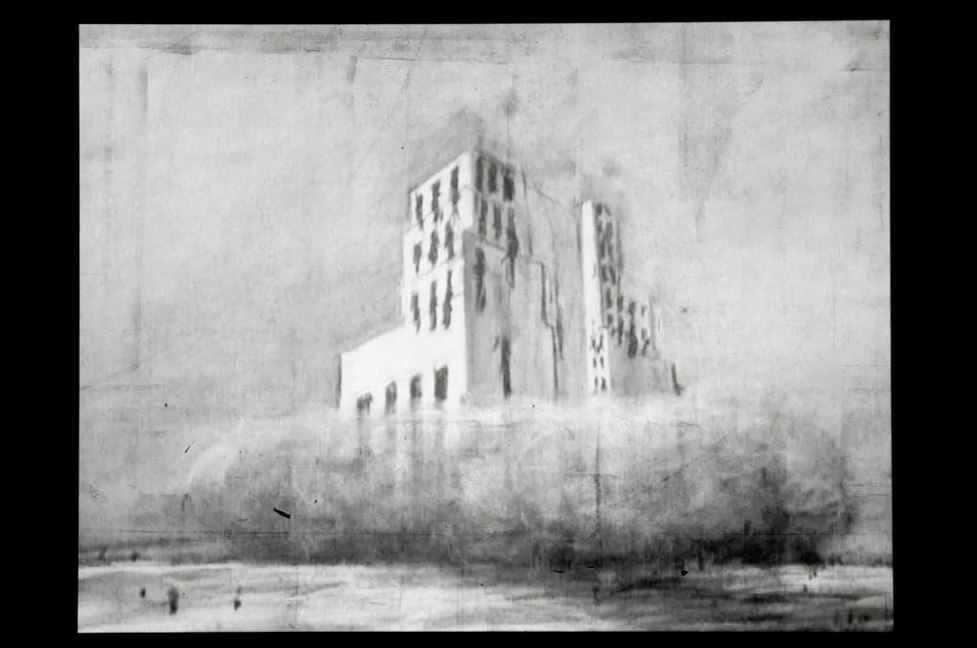
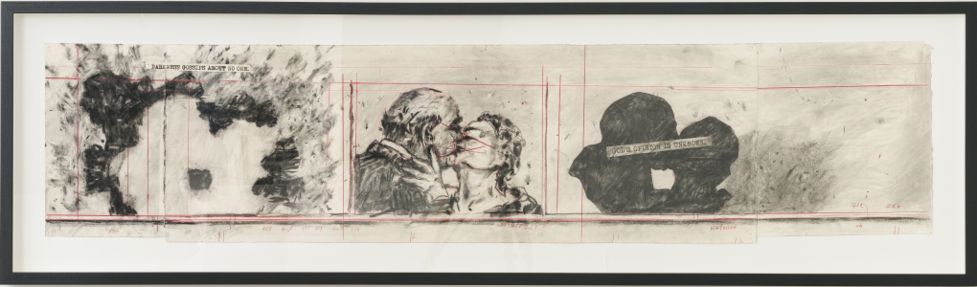
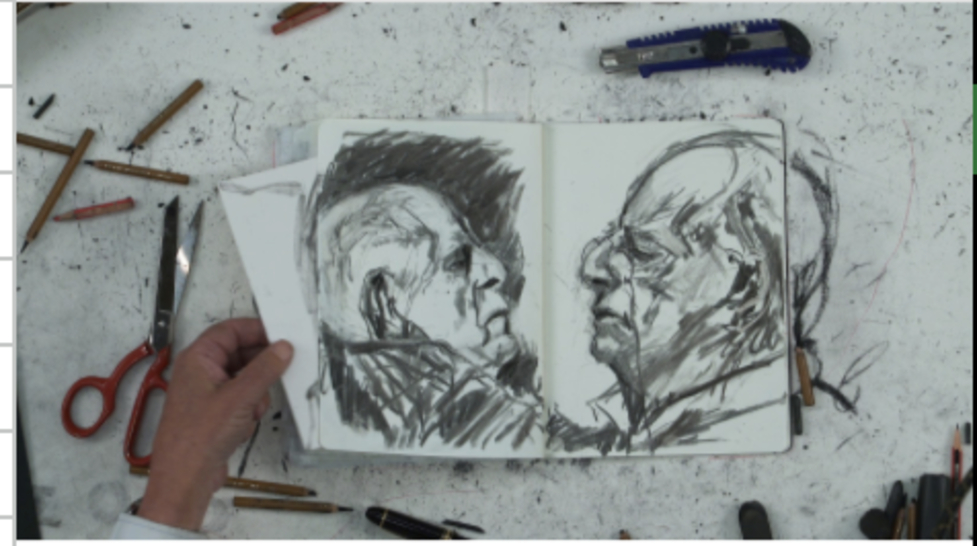
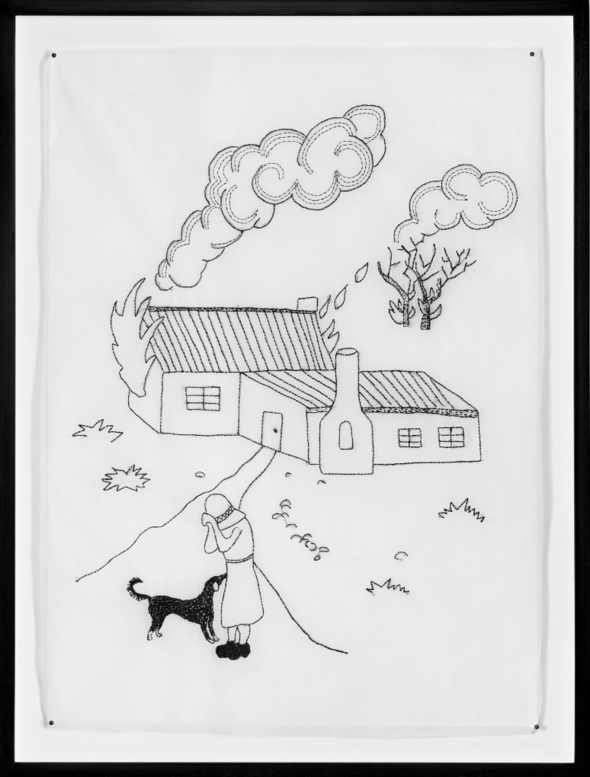
A number of works by William Kentridge including Fat Cat, 2025 and Enough of This Scandal, 2020 are on display. Kentridge recently opened his biggest retrospective to date in Germany at SKD and Museum Folkwang, alongside his landmark exhibition at the Yorkshire Sculpture Park, UK.
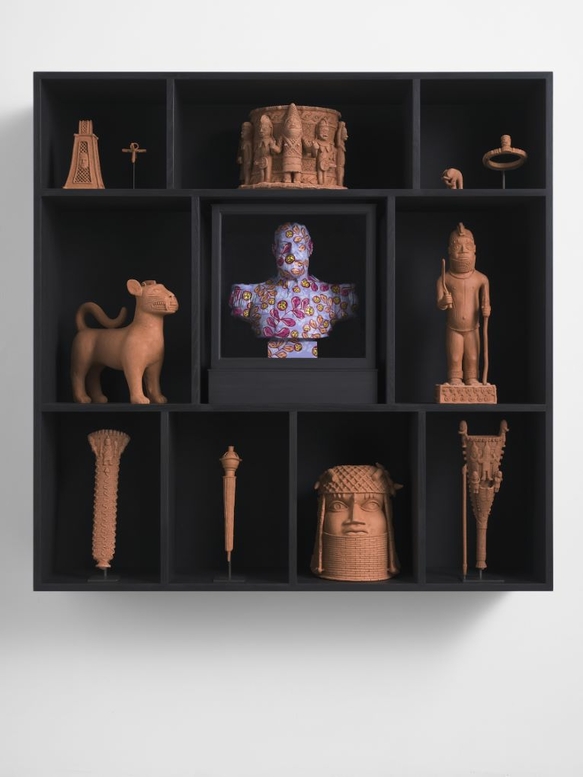
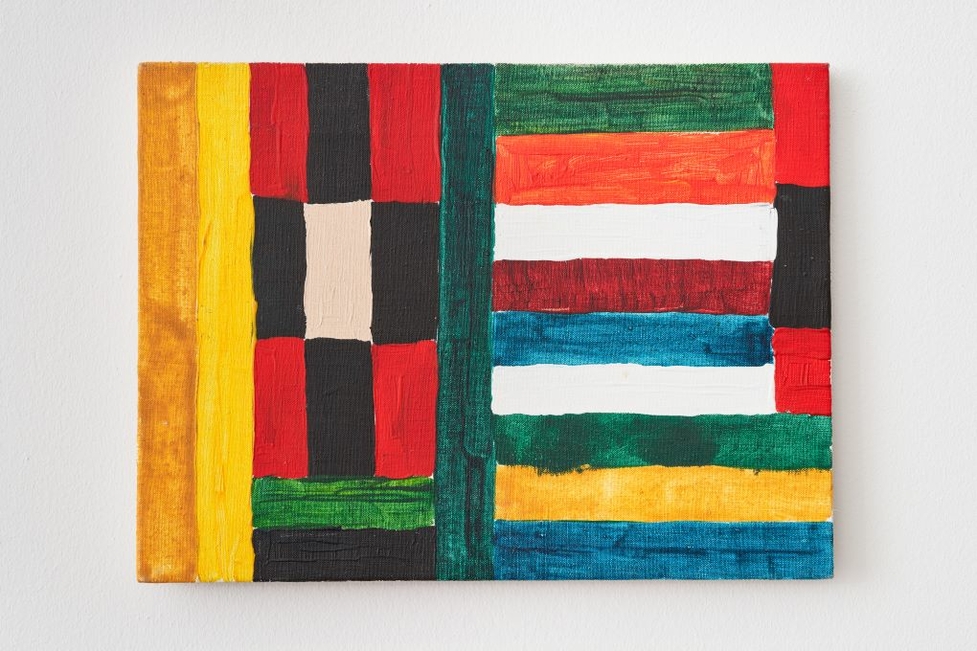
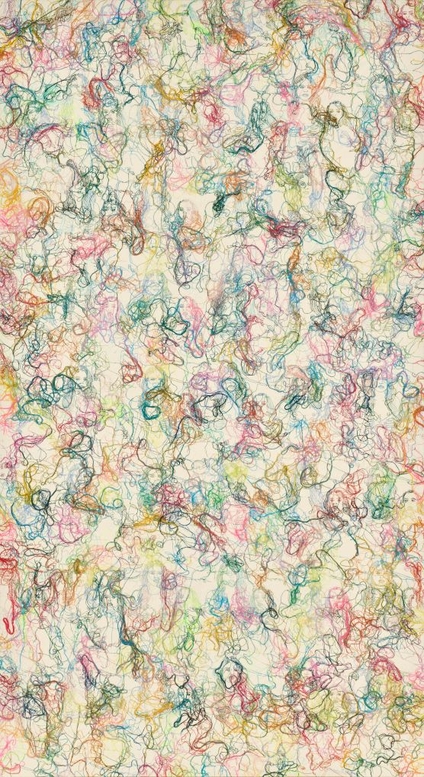
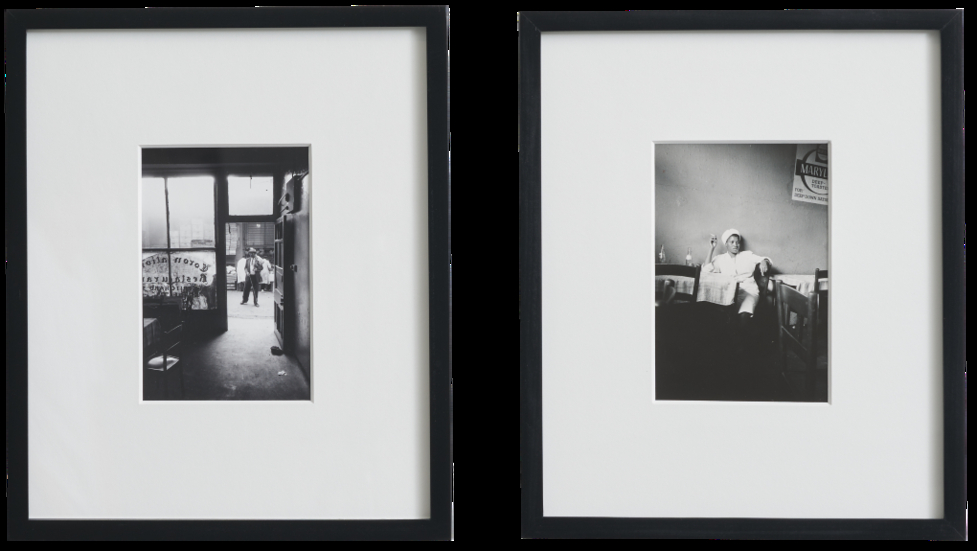
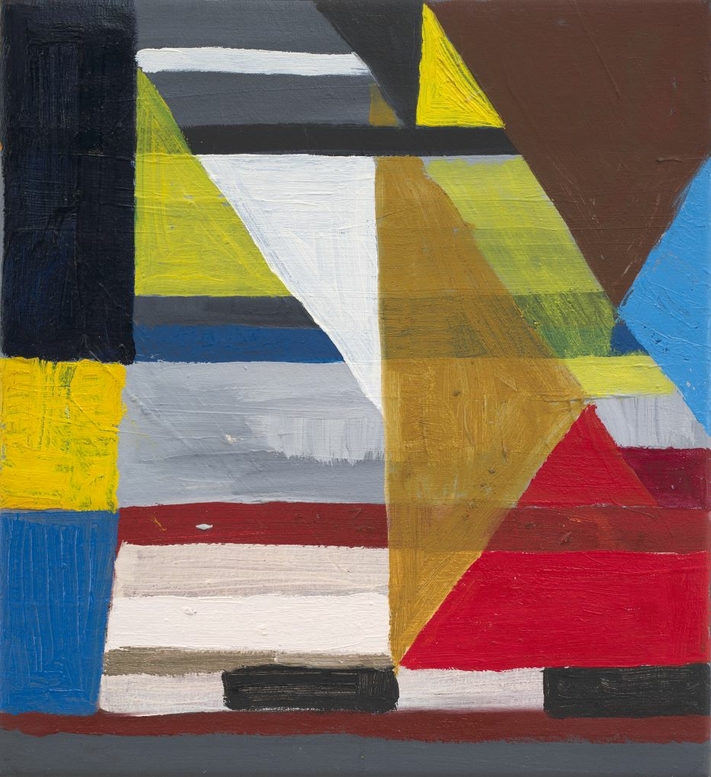
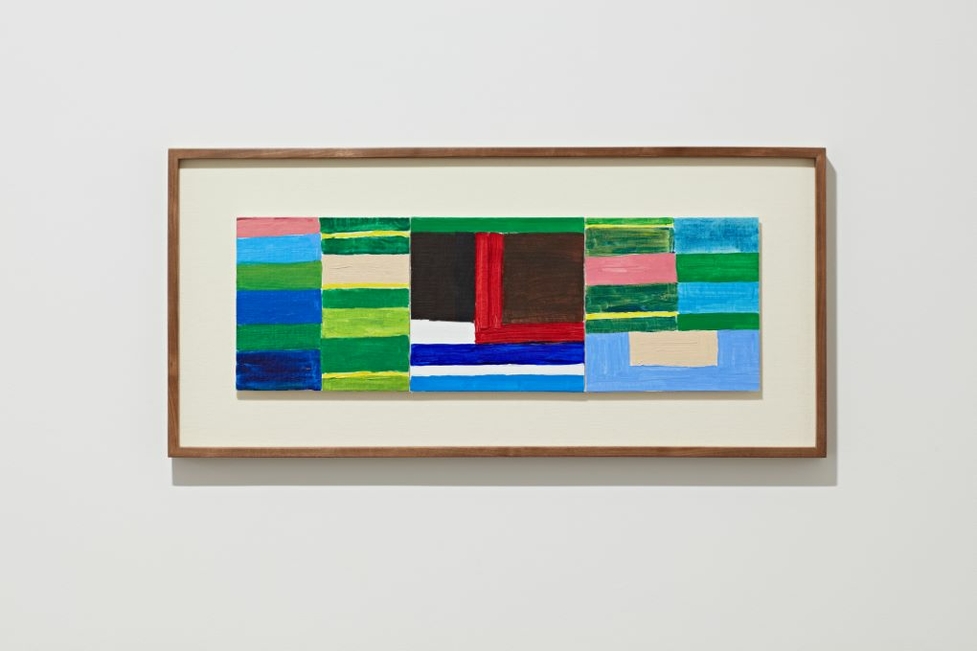
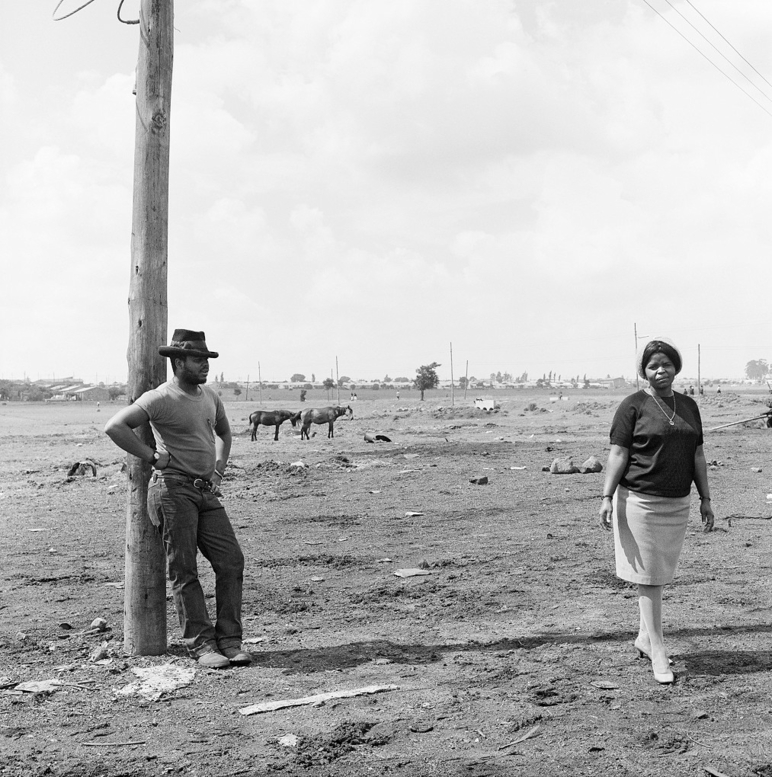
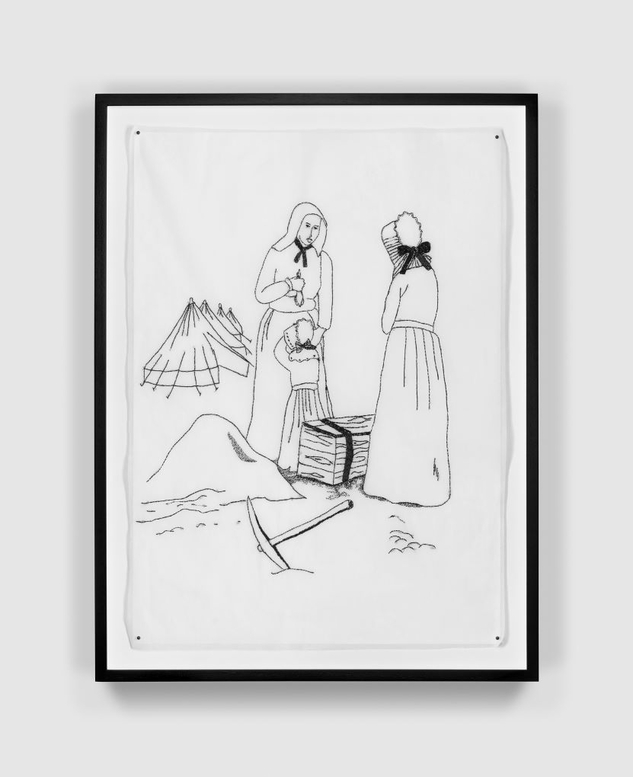
Other highlights include: multiple paintings by acclaimed African Modernist Atta Kwami, including by Untitled (Red, White, Blue, Black), 2008. Kwami’s practice and work as an art historian helps to shape how African art is understood internationally. Works by South African icons: a large-scale painting, Tempest, 1987 by David Koloane and several photographs by David Goldblatt. The gallery will also show new work by Yinka Shonibare from the Archive of Lost Memories V series. This comes as the artist has his first major solo exhibition on the African continent, at Foundation H, Madagascar. This presentation highlights the gallery’s ongoing commitment to artists who challenge, innovate, and reshape the contemporary art landscape ensuring their work reaches global audiences. Yinka Shonibare will take part in Conversations: The 90s at Art Basel, a talk guest-curated by Edward Enninful OBE, on Saturday 19 October 2025.
Artworks
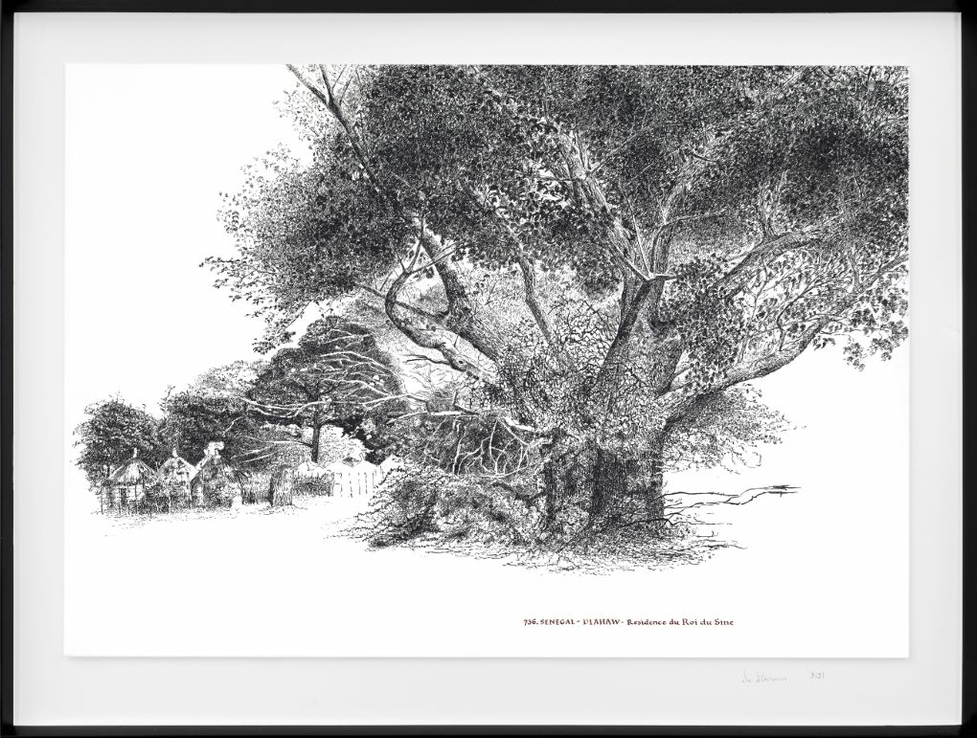
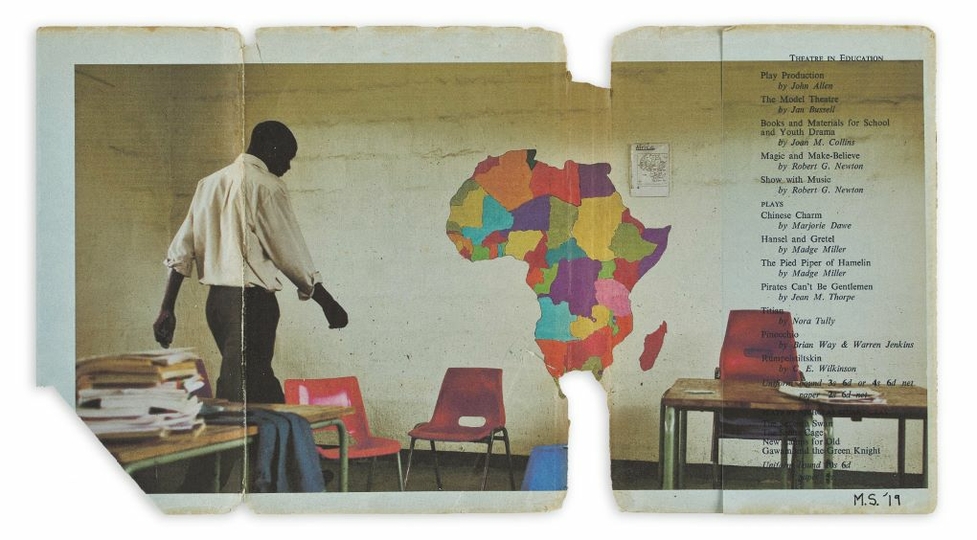
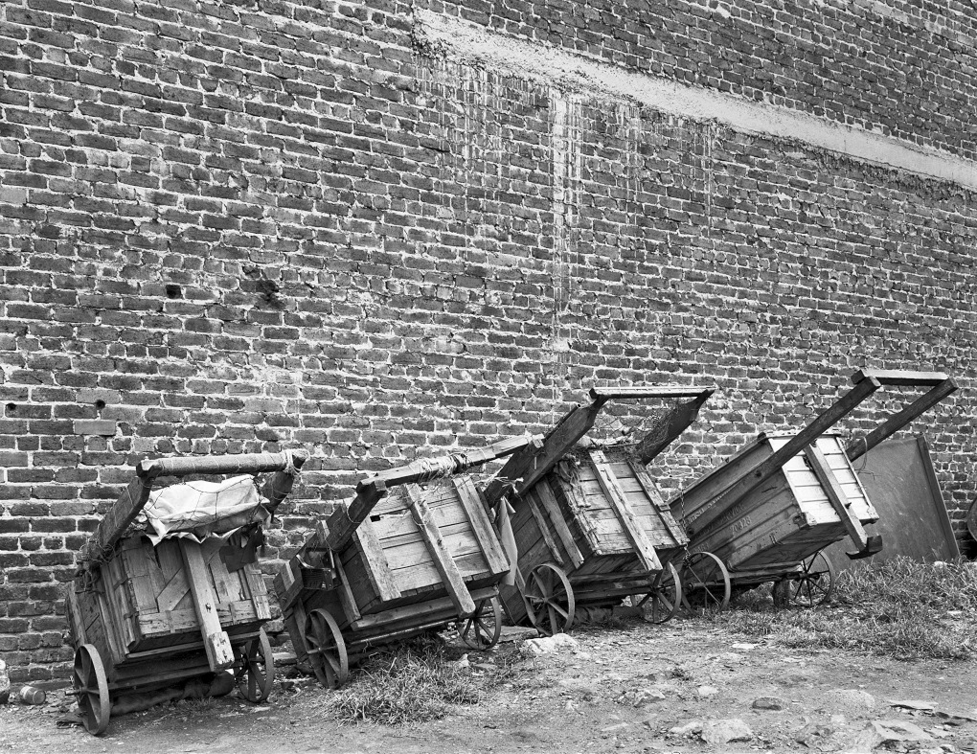
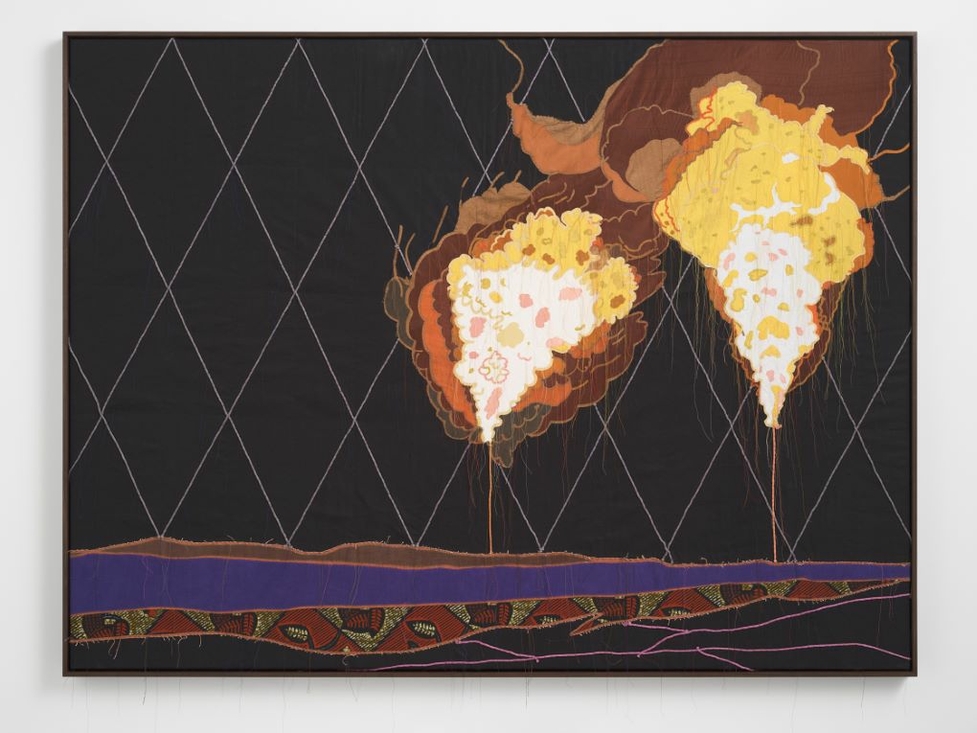
About

Misheck Masamvu
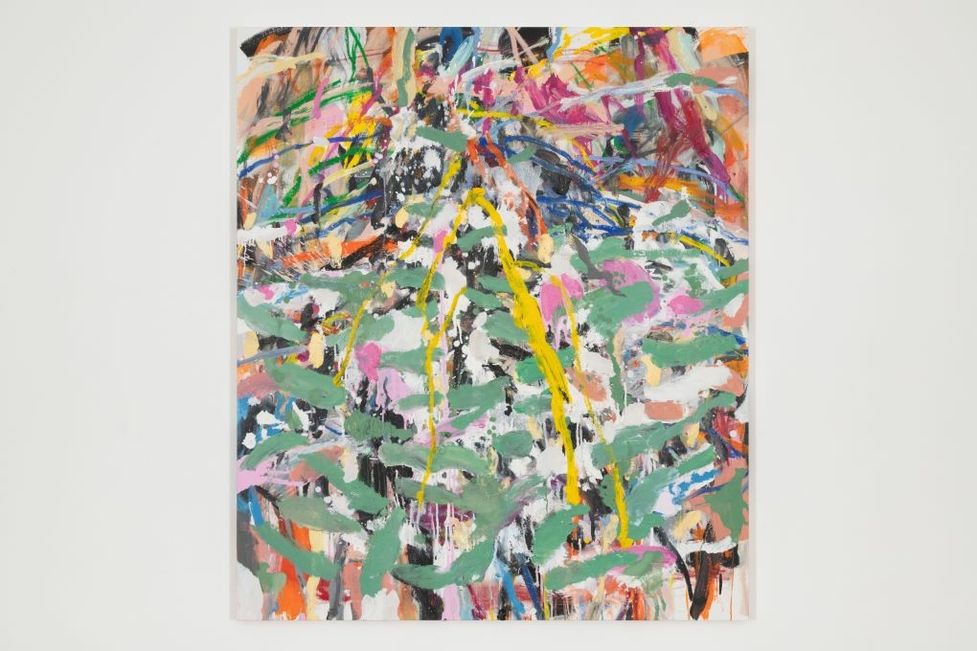
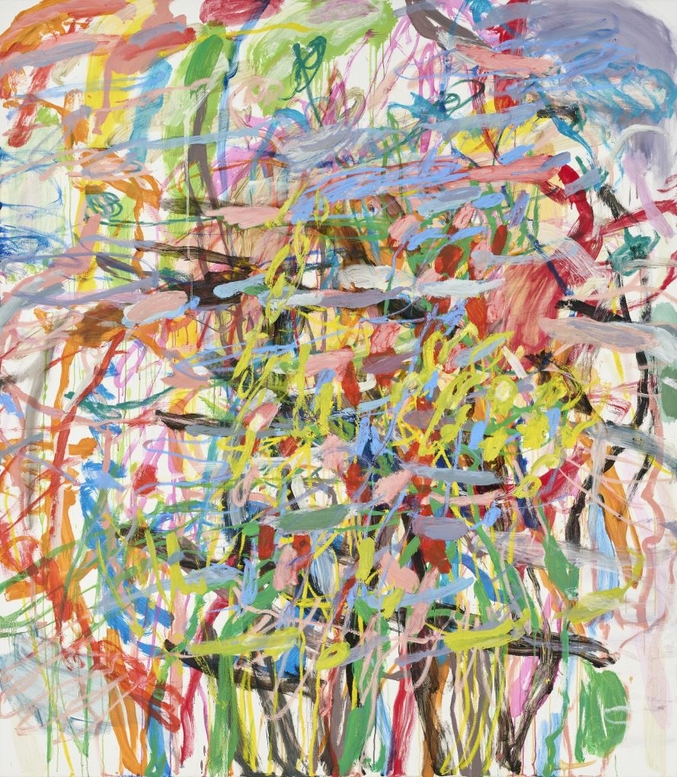
Oscillating between abstraction and figuration, Misheck Masamvu’s (b. 1980, Mutare, Zimbabwe) works allow him to address the past while searching for a way of being in the world. As one of the most significant artists from Zimbabwe, Masamvu’s work offers a renewed understanding of visual culture in Africa and the decolonial project more broadly. Rhythmic lines and layered fields of colour have become a prominent language for Masamvu to explore structures of power and how history comes to bear on the contemporary moment, but also how one can adapt to a new way of interacting with the world.
Selected solo exhibitions: Show me how ruins make a home, A Gentil Carioca, São Paulo (2024); Exit Wounds, Goodman Gallery, New York (2024); Safety Pin, Goodman Gallery, Cape Town (2023); Pivot, Bernier/Eliades Gallery, Brussels (2023); Talk to me while I’m eating, Goodman
Gallery, London, United Kingdom (2021); Hata, Goodman Gallery, Cape Town (2019); Still Still, Goodman Gallery, Cape Town; Misheck Masamvu, Institut Français, Paris, France (2015); Disputed Seats, Influx Contemporary Art, Lisbon, Portugal (2009).
Notable group exhibitions include: Kuvhunura/Kupinda nemwenje mudziva, Fondation Blachere Bonnieux, France (2024); Translations: Afro-Asian Poetics, The Institutum, Singapore (2024); Inside Out, Fondation Gandur pour l’Art, Geneva (2022); Witness: Afro Perspectives, El Espacio 23, Miami, USA (2020); Allied with Power: African and African Diaspora Art from the Jorge M. Pérez Collection, Pérez Art Museum Miami, Miami (2020); Two Together, Zeitz Museum of Contemporary Art Africa, Cape Town (2020); Five Bobh: Painting at the End of an Era, Zeitz MOCAA, Cape Town (2017); Africa 2.0 > is there a Contemporary African art?, Influx Contemporary Art, Lisbon (2010); Art, Migration and Identity,, Africa Museum, Arnhem (2008); and 696 , National Gallery of Zimbabwe, Harare (2008).
Major international exhibitions include: The ‘t’ is silent , 8th Biennial of Painting, Museum Dhondt-Dhaenens, Sint-Martens-Latem, Belgium (2022); STILL ALIVE , 5th Aichi Triennale, Aichi, Japan (2022), NIRIN , 22nd Sydney Biennale, Sydney (2020); Incerteza Viva (Live Uncertainty), the 32nd Bienal de São Paulo (2016) and his international debut at Zimbabwe’s inaugural Pavilion at the 54th Venice Biennale (2011).
Collections include: A4 Arts Foundation (Cape Town, South Africa); Braunsfelder Family Collection (Cologne, Germany); Uieshema Collection (Tokyo, Japan); Perez Art Museum (Miami, USA); Pigozzi Collection (Geneva, Switzerland); Taguchi Art Collection (Tokyo, Japan); Fukutake Foundation (Auckland, New Zealand); COMMA Foundation (Damme, Belgium); ANA Collection (Lagos, Nigeria); Sigg Art Foundation, Le Castellet, France; Fondation Gandur pour l’Art (Geneva, Switzerland); and Zeitz Museum of Contemporary Art Africa (Cape Town, South Africa).
Masamvu lives and works in Harare, Zimbabwe.
Download full CV
Clive van den Berg
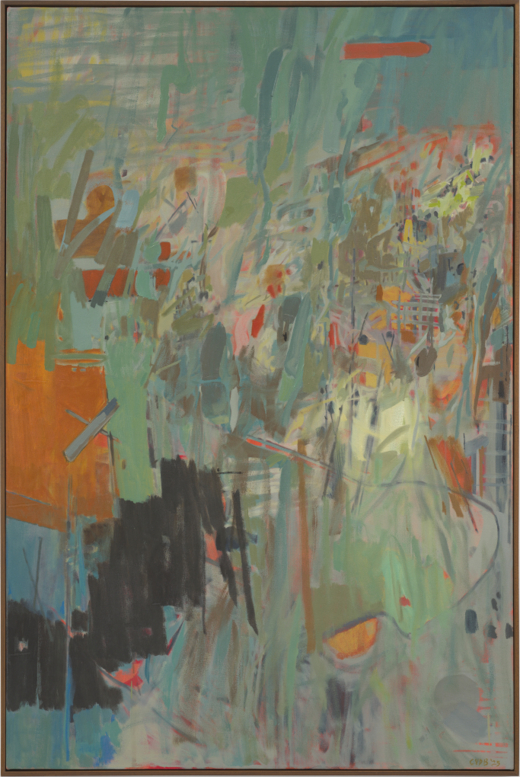
Clive van den Berg (b. 1956, Luanshya, Zambia) is a Johannesburg-based artist, curator and designer who has focused on pioneering the insertion of queer perspectives into the larger rewrite of South African history throughout the course of his prolific forty-year career. Van den Berg has produced a range of works spanning a variety of mediums delve into the porous nature of human existence and the landscapes we inhabit, creating a profound commentary on vulnerability, memory, and the intersection of personal and collective histories.
Van den Berg’s retrospective, titled Porous, took place at the Wits Art Museum in August 2024, and was accompanied by a major new book published by Skira.
In his paintings, he delves into the porous nature of land, acting as a vessel for lived experiences and unearthing unresolved layers beneath its surface. Within Van den Berg’s practice, the landscapes serve as a departure point, transcending physicality to evoke a haunting absence that guide viewers through imagined topographies. Van den Berg’s sculptural practice is equally captivating, focusing on the male form and the symbolic resonance of skin to explore themes of vulnerability and exposure. Through this vulnerability, he challenges traditional notions of masculinity and brings to light the ever-present spectre of mortality. His work serves as a poignant meditation on love, loss, and resilience.
His public projects have included the artworks for landmark Northern Cape Legislature and, since he has joined the trace team, museum projects for the Nelson Mandela Foundation, Constitution Hill, Freedom Park, the Workers Museum, The Holocaust and Genocide Centre and many other projects.
Solo exhibitions include: Porous, Wits Art Museum (2024); Remembering, a survey exhibition of paintings, prints and sculptures, Kwa-Zulu Natal Society of Art Gallery, Durban (2021); Personal Affects, Museum of African Art, New York (2005).
Major curated exhibitions include: If You Look Hard Enough, You Can See Our Future: Selections of Contemporary South African Art from the Nando’s Art Collection, The African American Museum of Dallas, Dallas (2023); Breaking Down the Walls: 150 years of Art Collecting, Iziko SANG, Cape Town (2023); Screening of Memorials Without Facts: Men Loving, São Paulo Museum of Art, São Paulo (2018); Earth Matters: Lands as Material and Metaphor in the Arts of Africa, Smithsonian National Museum of African Art, Washington D.C. (2013-2014).
Collections include: El Espacio 23, Miami; Amant Foundation, New York; A4 Arts Foundation, Cape Town; Wits Art Museum, Johannesburg; Spier Arts Trust, London; Iziko South African National Gallery, Cape Town; Smithsonian Museum of African Art, Washington DC and Video Brasil, Sao Paulo.
Van den Berg lives and works in Johannesburg, South Africa.
Download full CV
William Kentridge
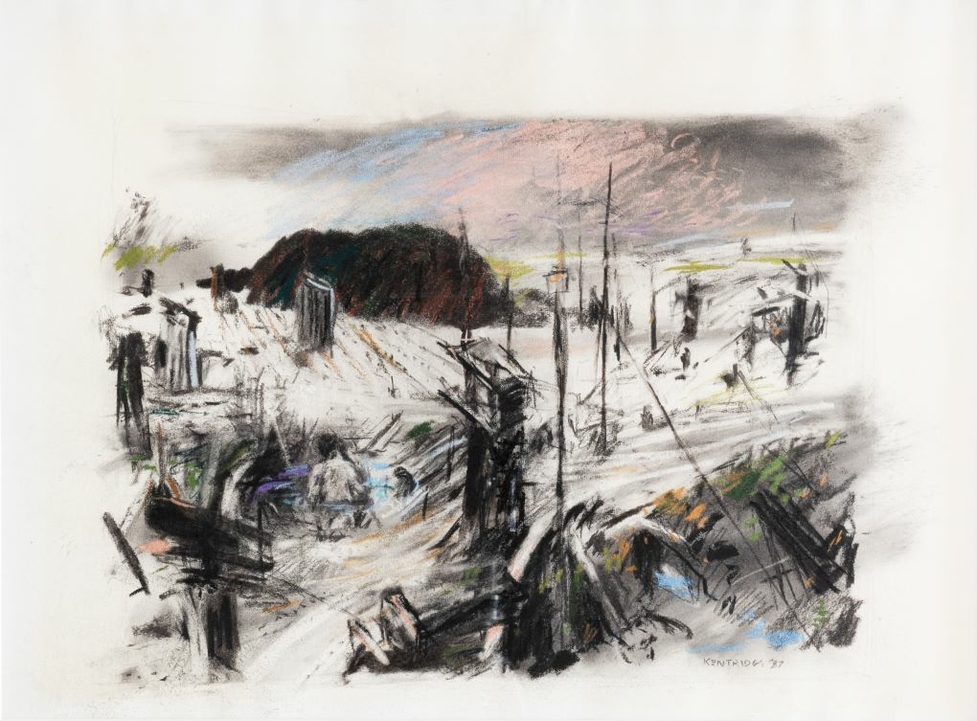
William Kentridge (b. 1955, Johannesburg, South Africa) is internationally acclaimed for his drawings, films, theatre and opera productions.
In 2024, in Venice, Kentridge premiered a new nine-episode video series, ‘Self-Portriait as a Coffee Pot,’ – a site-specific installation curated by long-time collaborator and curator Carolyn Christov Bakargiev at the Arsenale Institute for Politics of Representation. Following this, in October, MUBI presented: William Kentridge’s, ‘Self-Portrait as a Coffee-Pot’ Premiere in New York.
In conjunction with the world premiere of his newly commissioned opera, ‘The Great Yes, The Great No,’ which debuted at LUMA Arles in July 2024, the solo exhibition, ‘Je n’attends plus’ (I’m Not Waiting Any Longer) presents a collection of major works, some of which had not been seen in Europe before.
Kentridge’s largest UK survey to date was held at the Royal Academy of Arts in London in 2022. An iteration of Kentridge’s Royal Academy survey opened at the Taipei Museum of Fine Arts in May 2024. In the same year Kentridge opened another major survey exhibition, ‘In Praise of Shadows,’ at The Broad, Los Angeles. In 2023, this exhibition traveled to the Museum of Fine Arts, Houston.
Kentridge’s work has been seen in museums across the globe since the 1990s, including the Luma Foundation, France (2024); Arsenale Institute for Politics of Representation, Venice (2024); Taipei Fine Arts Museum (2024); Museum of Modern Art, New York (1999, 2005, 2010); Albertina Museum, Vienna (2010); Musée du Louvre, Paris (2010); National Museum of Modern and Contemporary Art, Korea; Reina Sofia Museum, Madrid (2015); Kunstmuseum Basel (2019); Norval Foundation, Cape Town (2019). The artist has also participated in biennale’s including Documenta in Kassel (2012, 2002, 1997) and the Venice Biennale (2015, 2013, 2005, 1999, 1993).
Collections include: MoMA, New York; Tate Modern, London; Centre Pompidou, Paris; Haus der Kunst, Munich; Sharjah Art Foundation, Sharjah; National Museum of Modern Art, Kyoto; Guggenheim, Abu Dhabi and Zeitz MoCAA, Cape Town.
Kentridge lives and works in Johannesburg, South Africa.
Download full CV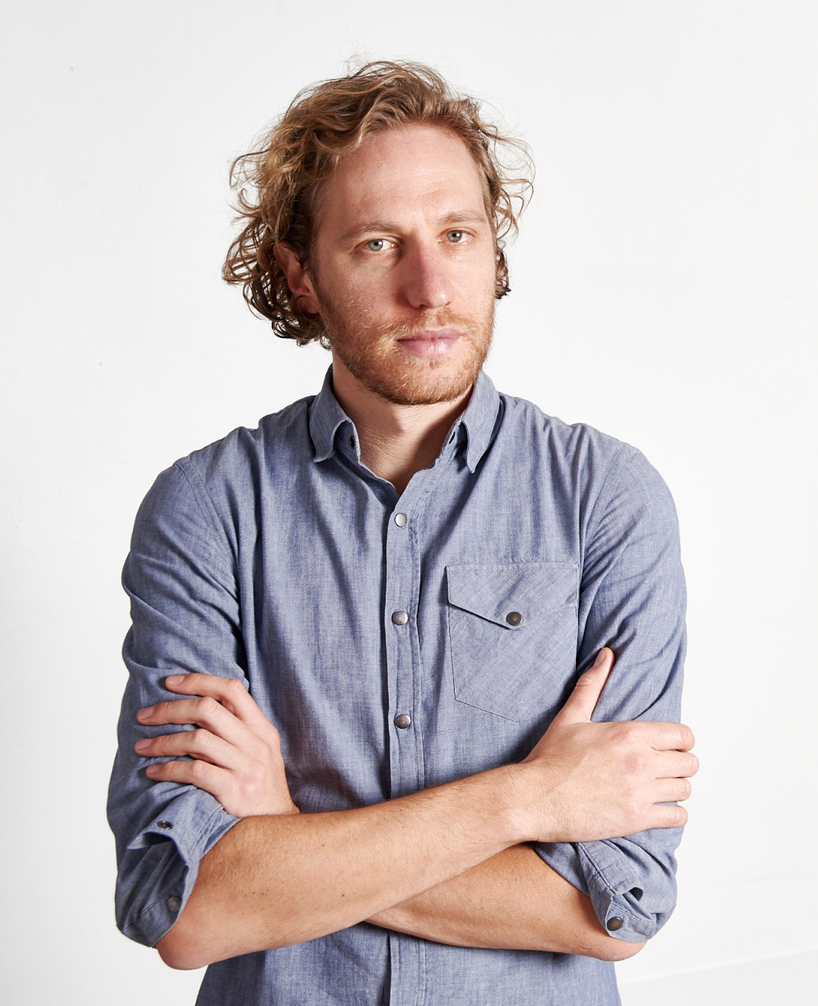
Mikhael Subotzky
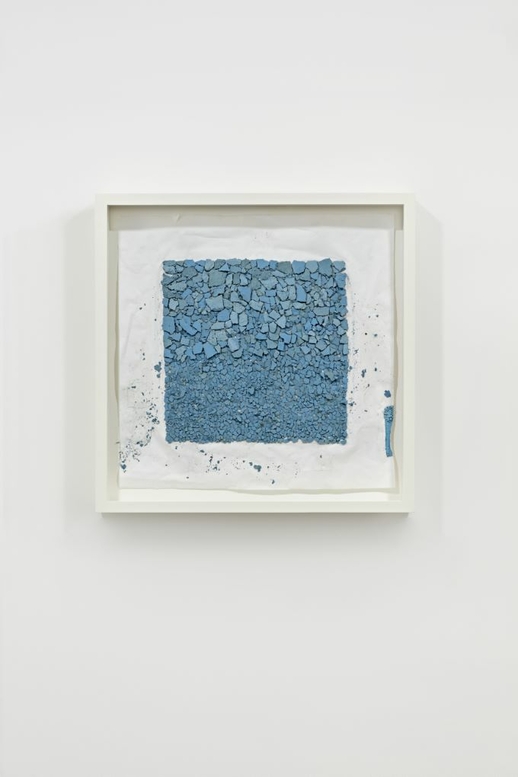
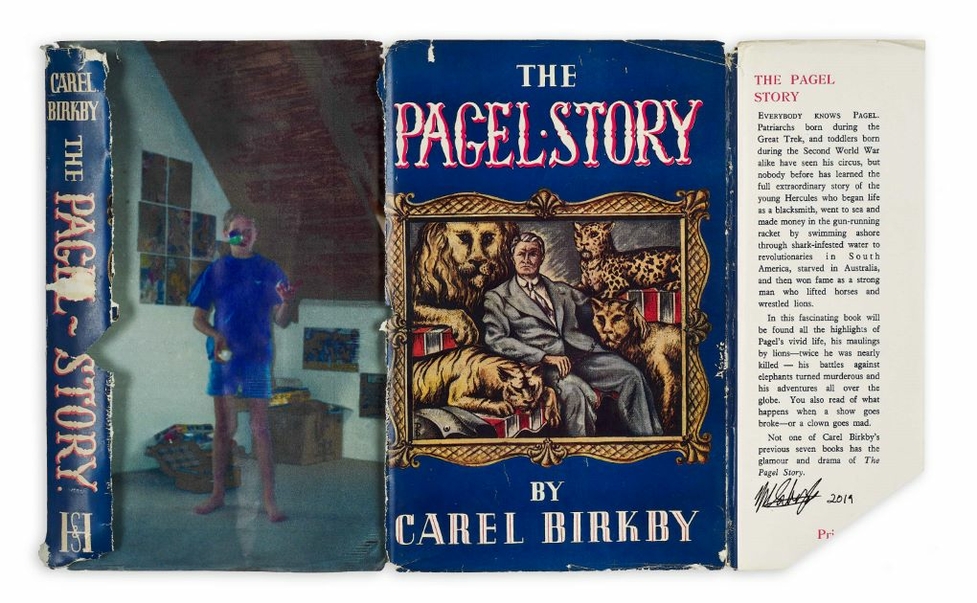
Mikhael Subotzky’s (b. 1981, Cape Town) works are the results of his fractured attempts to place himself in relation to the social, historical, and political narratives that surround him. As an artist working in film, video installation and photography, as well as more recently in collage and painting, Subotzky engages critically with contemporary politics of images and their making. “At the heart of my work is a fixation with revealing the gap between what is presented (and idealised) and what is hidden, coupled with a desire to pull apart and reassemble the schizophrenia of contemporary existence,” he says.
Subotzky’s first body of photographic work, Die Vier Hoeke (The Four Corners), was an in-depth study of the South African penal system. Umjiegwana (The Outside) and Beaufort West extended this investigation to the relationship between everyday life in post-apartheid South Africa and the historical, spatial, and institutional structures of control. Retinal Shift was produced by Subotzky on the occasion of the Standard Bank Young Artist Award 2012 and toured South Africa’s major museums and critically engaged with his ambivalence towards the processes of representation and image construction. Ponte City, a collaboration with artist Patrick Waterhouse, focuses on a single 54-story building that dominates the Johannesburg skyline. The building is cast as the central character in a myriad of interweaving narratives that, through photographs, commissioned texts, historical documents, and urban myths, chart the convoluted histories of both the building and Johannesburg itself. The Ponte City exhibition, which consists of a single installation of thousands of photographs and documents, has been acquired by the San Francisco Museum of Modern Art and the accompanying publication won the 2015 Deutsche Borse Photography Prize.
Subotzky’s work has been exhibited in recent museum presentations The Struggle of Memory at Palais Populaire, Berlin (2024) and Fragile Beauty: Photographs from the Sir Elton John and David Furnish Collection at Victoria & Albert Museum, London (2024).
Notable solo and two-person exhibitions include Home Building Ideas for South Africa (or A Cape Town Landscape), Goodman Gallery Cape Town (2024); Epilogue, Goodman Gallery, London (2022); Tell It To The Mountains, (with Lindokuhle Sobekwa) A4 Foundation, Cape Town (2021); Mikhael Subotzky: WYE, Sherman Contemporary Art Foundation, Sydney (2016); Ponte City (with Patrick Waterhouse), National Galleries, Scotland, UK, then travelled to Le Bal, Paris and FOMU, Antwerp (2014).
His work was included in the 12th Cairo Biennale (2010), The Unexpected Guest, Liverpool Biennial (2012), Rencontres Picha Biennale de Lubumbashi, Lubumbashi (2013) and the 56th Venice Biennale: All the World’s Futures, Venice (2015).
Public collections include Museum of Modern Art, New York; Solomon R Guggenheim Museum, New York; the National Gallery of Art, Washington; Tate, London; Centre Pompidou, Paris; and the South African National Gallery, among others.
Subotzky lives and works in Johannesburg, South Africa.
Download full CV
Sue Williamson
Sue Williamson (b. 1941, Lichfield, UK) is one of South Africa’s most important contemporary artists. In the 1970s, Williamson started to make work which addressed social change and by the late 1980s she was well known for her series of portraits of women involved in the country’s political struggle, titled A Few South Africans (1980s).
In 2025, a major retrospective of her five-decades long career, titled There’s something I must tell you, will be shown at the Iziko South African National Gallery, following her UK and US institutional exhibitions in 2023 at The Box, Plymouth and The Barnes Foundation, Philadelphia.
In 1997, Williamson founded www.artthrob.co.za, a leading website on South African contemporary art and the first of its kind in the country. Williamson has also authored two major publications - South African Art Now (2009) and Resistance Art in South Africa (1989).
Williamson has participated in biennales around the world, including the Kochi Muziris Biennale (2019); several Havana Biennales as well as Sydney, Istanbul, Venice and Johannesburg biennales.
Major international solo exhibitions include: Between Memory and Forgetting, The Box, Plymouth, UK (2023); Other Voices, Other Cities, Las Palmas (2023); Can’t Remember, Can’t Forget, Apartheid Museum, Johannesburg (2017); Other Voices, Other Cities, SCAD Museum of Art, Georgia (2015), Messages from the Moat, Den Haag, (2003) and The Last Supper Revisited, National Museum of African Art, Smithsonian Institute, Washington D.C. (2002).
Group exhibitions include: Tell Me What You Remember, Barnes Foundation (2023); Breaking Down the Walls – 150 years of Collecting Art at Iziko, Iziko South African Museum (2022); RESIST! The 1960s Protests, Photography and Visual Legacy, BOZAR Centre for Fine Arts, Brussels (2018); Women House, La Monnaie de Paris and National Museum for Women in the Arts (Washington D.C) (2017, 2018); Being There, Fondation Louis Vuitton, Paris (2017); Rise and Fall of Apartheid: Photography and the Bureaucracy of Everyday Life, International Centre for Photography in New York and the Museum Africa in Johannesburg (2014); The Short Century, Museum Villa Stuck, Munich, House of World Cultures, Berlin, Museum of Contemporary Art, Chicago, and P.S.1 New York (2001-2).
Collections include: the Museum of Modern Art, New York; Tate Modern, London; Victoria & Albert Museum, London; Pompidou Centre, Paris; Hammer Museum, Los Angeles; the National Museum of African Art, Smithsonian Institution, Washington D.C; Iziko South African National Gallery, Cape Town and the Johannesburg Art Gallery, Johannesburg. Williamson has authored two books – ‘South African Art Now’ (2009) and ‘Resistance Art in South Africa’ (1989).
Awards and fellowships include: The Living Legends Award (2020), attributed by the South African government’s Department of Sports, Arts and Culture; the University of Johannesburg’s Ellen Kuzwayo Award (2018); the Rockefeller Foundation’s Bellagio Creative Arts Fellowship (2011); the Smithsonian’s Visual Artist Research Award Fellowship (2007) and the Lucas Artists Residency Fellowship (2005) from Montalvo Art Center in California.
Williamson lives and works in Cape Town, South Africa.
Download full CV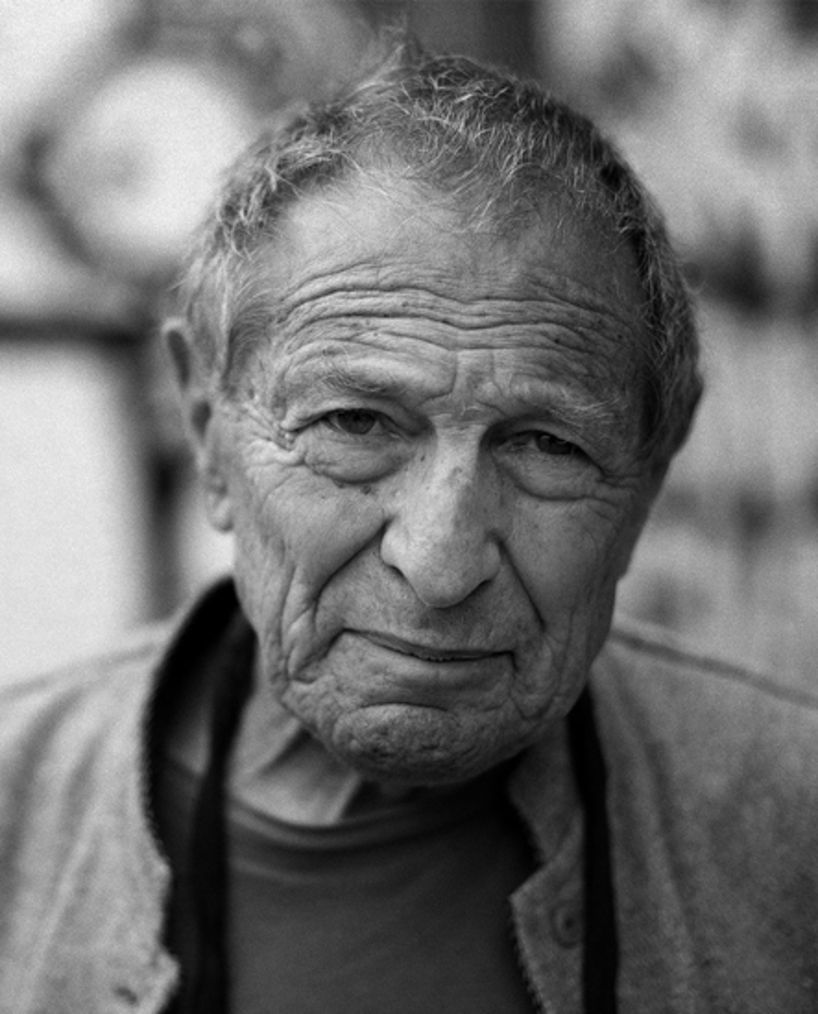
David Goldblatt
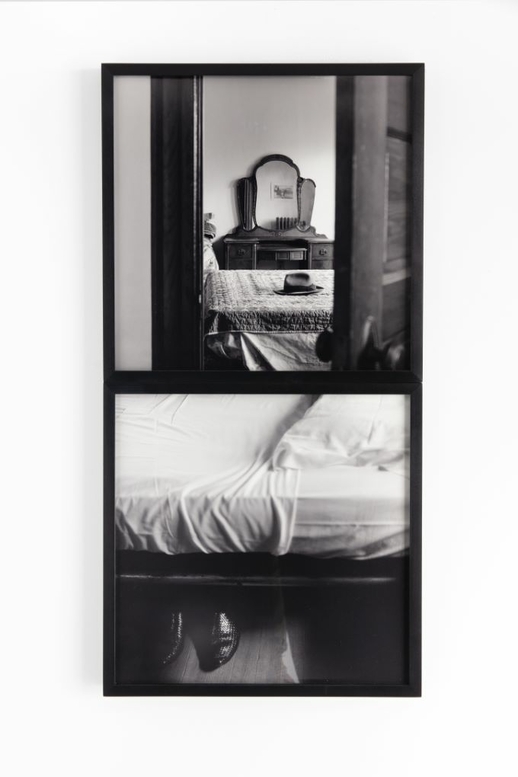
David Goldblatt (1930 – 2018) was born in Randfontein, a small mining town outside of Johannesburg, South Africa. Through his lens, South African he chronicled the structures, people and landscapes of South Africa from 1948 until his death in June 2018. Well known for his photography which explored both public and private life in South Africa, Goldblatt created a body of powerful images which depicted life during the time of Apartheid. Goldblatt also extensively photographed colonial era monuments and buildings with the idea that the architecture reveals something about the people who built them.
In particular, Goldblatt documented the people, landscapes and industry of the Witwatersrand, the resource-rich area in which he grew up and lived, where the local economy was based chiefly on mining. Equal parts artist and documentarian, Goldblatt was known for his practice of attaching extensive captions to his photographs, which almost always identify the subject, place, and time in which the image was taken. These titles often play a vital role in exposing the visible and invisible forces through which the country’s policies of extreme racism and segregation shaped the dynamics of life, especially along axes of gender, labor, identity, and freedom of movement. Beyond endowing his images with documentary power, Goldblatt’s titles also dignify the people and places he photographs.
In 1989, Goldblatt founded the Market Photography Workshop, a training institution in Johannesburg, for aspiring photographers. In 1998 he was the first South African to have a solo exhibition at the Museum of Modern Art in New York. The Goldblatt Archive is held by Yale University, in New Haven, Connecticut.
In 2001, a retrospective of his work, ‘David Goldblatt Fifty-One Years’ began a tour of galleries and museums. He was one of the few South African artists to exhibit at Documenta 11 (2002) and Documenta 12 (2007) in Kassel, Germany. A more recent retrospective includes, ‘David Goldblatt: No Ulterior Motive at the AIC’ (2018), which is now touring. This major traveling retrospective exhibition spans the seven decades of this South African photographer’s career, from the 1950s to the 2010s, demonstrating Goldblatt’s commitment to showing the realities of daily life in his country. The exhibition and accompanying publication bring together roughly 150 works by Goldblatt from the collections of the Yale University Art Gallery and the Art Institute of Chicago—two major Goldblatt repositories—including his early black-and-white photography and his post-apartheid, large-format color photography.
Goldblatt was the recipient of the 2006 Hasselblad award, the 2009 Henri Cartier-Bresson Award, the 2013 ICP Infinity Award and in 2016, he was awarded the Commandeur des Arts et des Lettres by the Ministry of Culture of France.
Other notable group exhibitions and biennales include: ILLUMInations at the 54th Venice Biennale in 2011, South Africa in Apartheid and After, San Francisco Museum of Modern Art (2013); Everything Was Moving: Photography from the 60s and 70s, Barbican Centre, London (2012). He also exhibited at the Jewish Museum (2010); and the New Museum (2009), both in New York.
Selected key collections include: Museum of Modern Art (MoMA), New York; Metropolitan Museum of Art, New York; San Francisco Museum of Modern Art (SFMOMA); Tate Modern, London; Victoria and Albert Museum, London; Centre Pompidou, Paris; The J. Paul Getty; Museum, Los Angeles; National Gallery of Art, Washington, D.C.; Art Institute of Chicago; The Israel Museum, Jerusalem; Huis Marseille, Museum for Photography, Amsterdam; The Museum of Fine Arts, Houston; The Nelson-Atkins Museum of Art, Kansas City; The Walther Collection, Neu-Ulm, Germany and New York; National Gallery of Australia, Canberra; Stedelijk Museum, Amsterdam; Fotomuseum Winterthur, Switzerland; Yale University Art Gallery, New Haven; Johannesburg Art Gallery, South Africa; Iziko South African National Gallery, Cape Town; Art Gallery of New South Wales, Sydney; Princeton University Art Museum, Princeton; Moderna Museet, Stockholm; Museum Folkwang, Essen; Musée de l’Élysée, Lausanne; Carnegie Museum of Art, Pittsburgh; Museo Nacional Centro de Arte Reina Sofía, Madrid; Los Angeles County Museum of Art, Los Angeles.
Download full CV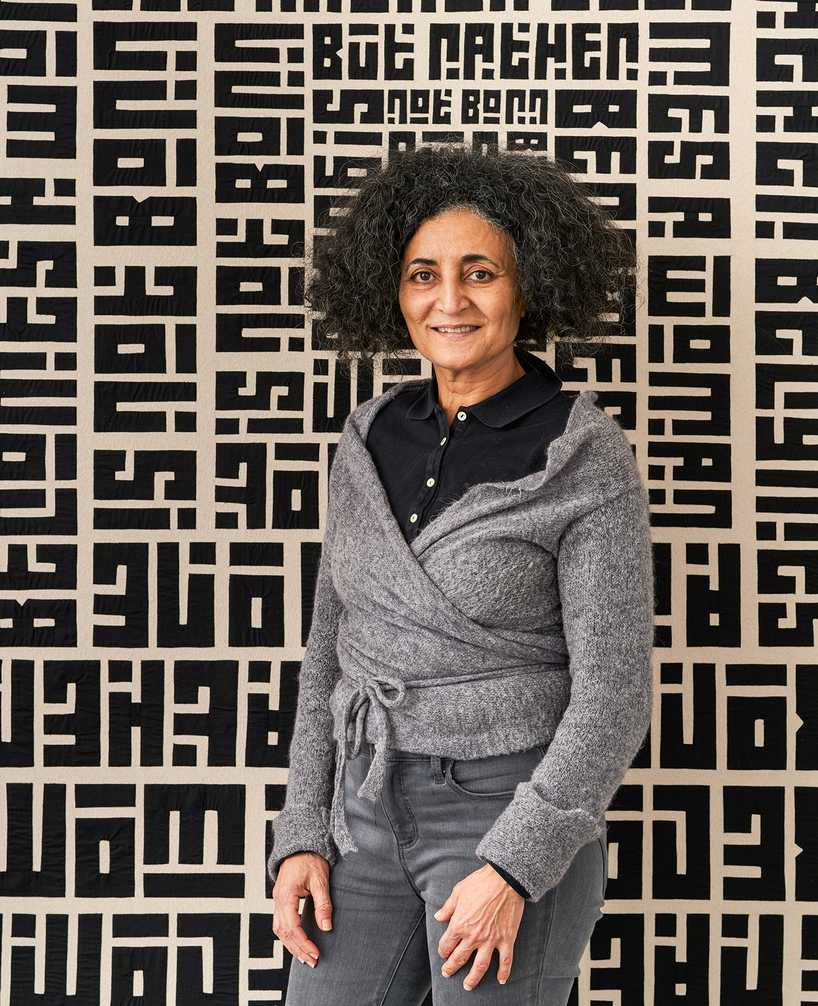
Ghada Amer
Ghada Amer was born in Cairo, Egypt in 1963 and moved to Nice, France when she was eleven years old. She remained in France to further her education and completed both of her undergraduate requirements and MFA at Villa Arson École Nationale Supérieure in Nice (1989), during which she also studied abroad at the School of the Museum of Fine Arts in Boston, Massachusetts in 1987. In 1991 she moved to Paris to complete a post-diploma at the Institut des Hautes Études en Arts Plastiques. Following early recognition in France, she was invited to the United States in 1996 for a residency at the University of North Carolina, Chapel Hill. She has since then been based in New York.
Amer’s wide-ranging practice spans painting, cast sculpture, ceramics, works on paper, as well as garden and mixed-media installations. Further, she often collaborates with her long-time friend Reza Farkhondeh. Recognising both that women are taught to model behaviors and traits shaped by others, and that art history and the history of painting in particular are shaped largely by expressions of masculinity, Amer’s work actively subverts these frameworks through both aesthetics and content. Her practice explores the complicated nature of identity as it is developed through cultural and religious norms as well as personal longings and understandings of the self.
Amer’s work is in public collections around the world including The Arab Museum of Modern Art, Doha; the Art Institute of Chicago, Chicago, IL; the Barjeel Art Foundation, Sharjah; the Brooklyn Museum of Art, New York, NY; Centre Georges Pompidou, Paris; Crystal Bridges Museum of American Art, Bentonville, AR; the Guggenheim Museum, Abu Dhabi; the Israel Museum, Jerusalem; the Samsung Museum, Seoul; among others. Among invitations to prestigious group shows and biennials—such as the Whitney Biennial in 2000 and the Venice Biennial of 1999 (where she won the UNESCO Prize), 2005 and 2007—she was given a mid career retrospective at the Brooklyn Museum of Art in New York in 2008. Multiple institutions across Marseilles, France are currently co-organising a retrospective for 2022 that will travel to the United States and Asia.
Download full CV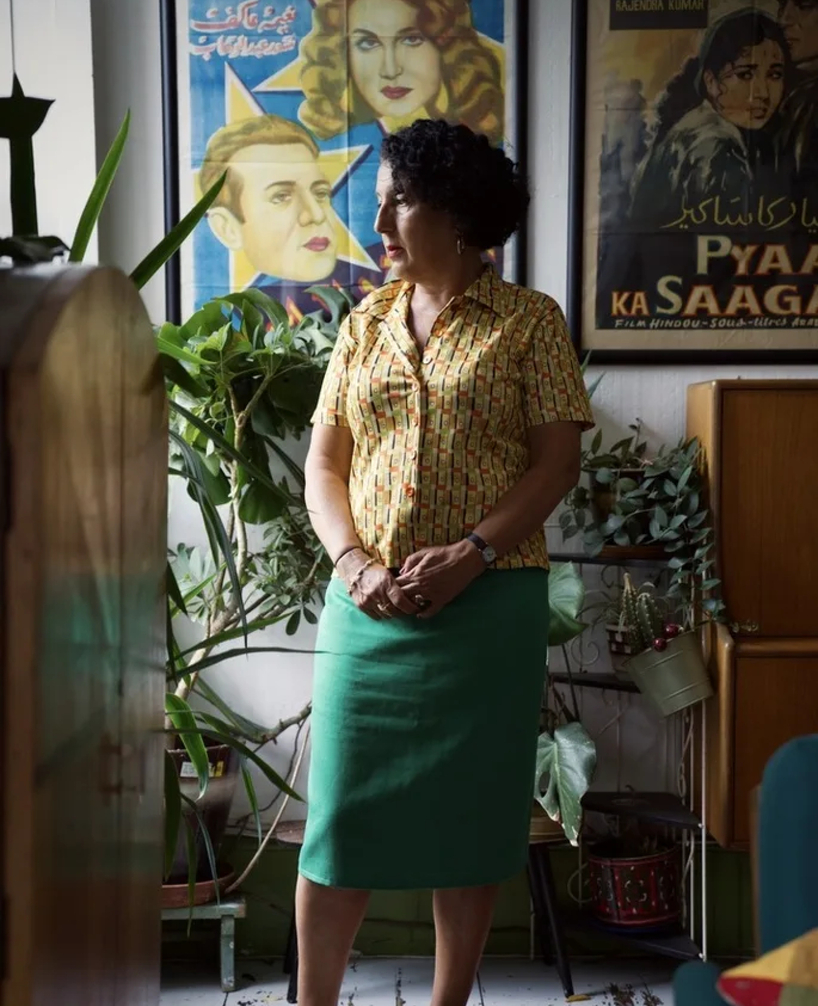
Zineb Sedira
Zineb Sedira’s (b. 1963 Paris, France) work has enriched the debate around the concepts of modernism, modernity and its manifestations in an inclusive way for over the fifteen years of her practice. She has also raised awareness of artistic expression and the contemporary experience in North Africa.
She found inspiration initially in researching her identity as a woman with a singular personal geography. From these autobiographical concerns she gradually shifted her interest to more universal ideas of mobility, memory and transmission. Full of her fascination for the relationship between mother and daughter, her vidéo Mother Tongue (2002), depicts three generations of women and raises the issue of transmission in a globalized world.
Sedira has also addressed environmental and geographical issues, negotiating between both past and future. Using portraits, landscapes, language and archival research, she has developed a polyphonic vocabulary, spanning fiction, documentary and more poetic and lyrical approaches. Sedira has worked in installation, photography, film, video and she has recently returned to object-making. Preserving and transmitting memories of the past in order to leave a legacy for the future has often been at the core of Sedira’s work.
Sedira’s work was shown in several solo exhibitions including at the Photographer’s Gallery (London, 2006), at Wapping Project (London, 2008), at New Art Exchange (Nottingham, 2009), at Pori Museum (Finland, 2009), at BildMuseets (Sweden, 2010), at Kunsthalle Nikolaj (Copenhagen, 2010), at the Palais de Tokyo (Paris, 2010), at the [mac] musée d’Art contemporain of Marseille (2010), at the Blaffer Art Museum, University of Houston, at Prefix – Institute of Contemporary Art (Toronto, 2010) and et at the Charles H. Scott Gallery in Vancouver and at Blaffer Art Museum, Houston (2013).
Her work was also shown in many group shows in institutions such as Tate Britain (London, 2002), Centre Pompidou (Paris, 2004, 2009), Mori Museum (Tokyo, 2005), Baltic Centre for Contemporary Art (Gateshead, 2005), Musée d’Art Moderne of Alger (2007), Brooklyn Museum (New York, 2007), Mathaf – Arab Museum of Modern Art (Qatar, 2010), the Contemporary Art Center (Thessaloniki, 2011) at the Tate Britain, London, UK, at the MuCEM, Musée des civilisations de l’Europe et de la Méditerrannée and the Friche de la Belle de Mai (2013), Marseille, at the Gwangju Museum of Art, South Korea, at the Centre Pompidou-Metz, France (2013), at the MMK Museum für Mordern Kunst, Germany (2014), as well as in biennials and triennials, including the Venice Biennale (2001 and 2011), the triennial for photography and video at the Institute of Contemporary Photography in New York (2003), the Sharjah Biennale (2003 and 2007) and the Folkestone Triennial (2011).
Sedira is founder of aria (artist residency in algiers), a residency program to support the development of the contemporary art scene in Algeria through international cross-cultural exchanges and collaborations.
Download full CV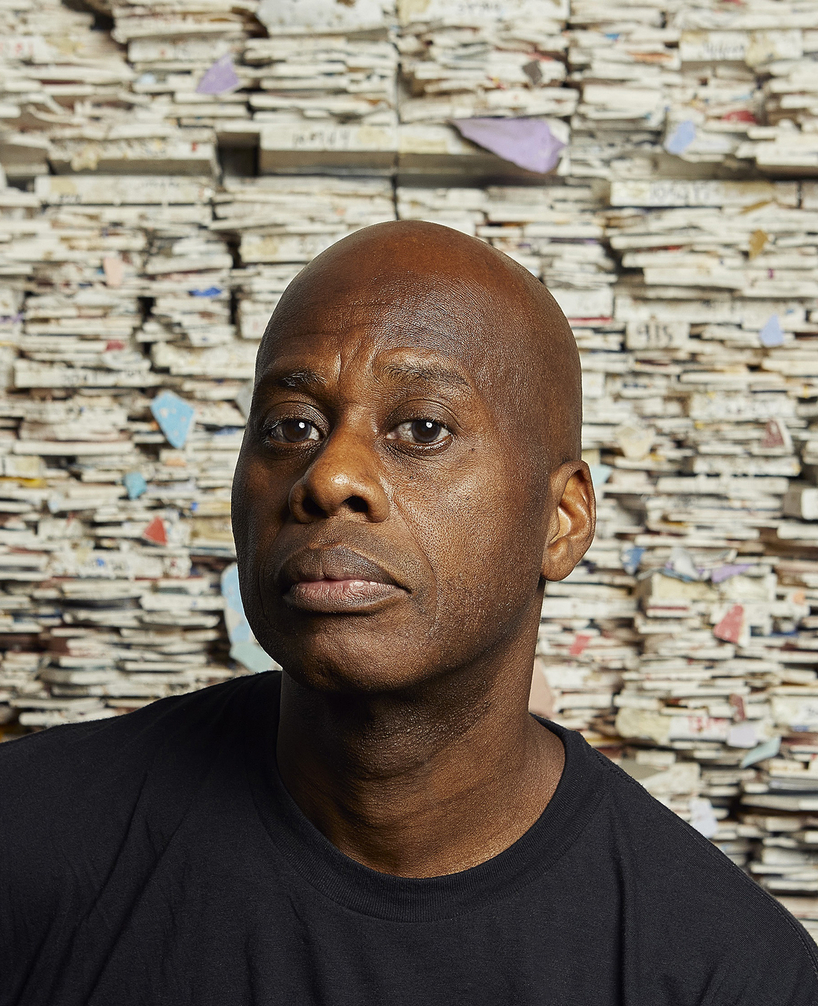
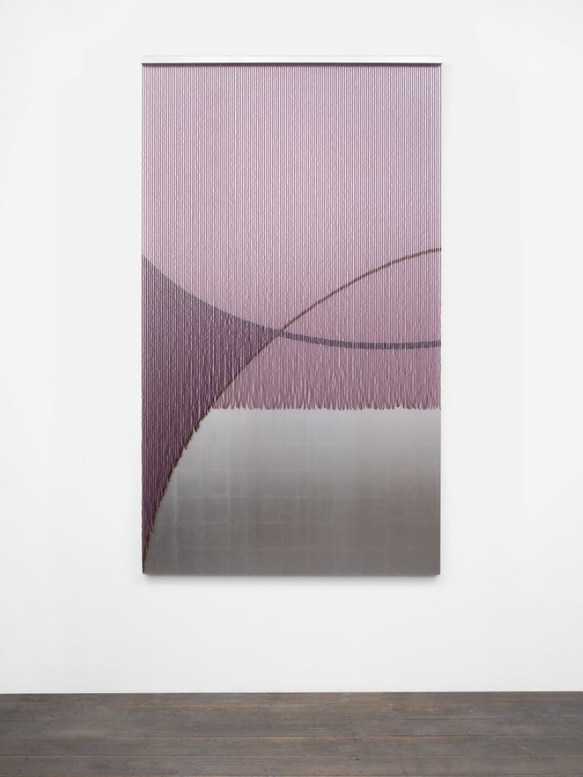
Leonardo Drew
Leonardo Drew (b. 1961, Tallahassee, Florida, USA) is known for his significant installations and sculptures which explore the tension between order and chaos. Drew transforms accumulations of raw materials such as wood, scrap metal and cotton to create works that play upon a tension between order and chaos. His surfaces often approach a language of their own, embodying the laboured process of writing oneself into history.
Drew’s work has been seen in major museums worldwide. He was commissioned for a new outdoor project City in the Grass for Madison Square Park in 2019, marking the Madison Square Park Conservancy’s 38th public commission and the artist’s first major public outdoor art project. City in the Grass was presented as a solo exhibition in three museums, the Wadsworth Atheneum Museum of Art, Hartford, Connecticut (2021); Mississippi Museum of Art, Jackson (2020); and North Carolina Museum of Art, Raleigh (2020). In 2022, Drew was elected as a National Academician by the National Academy of Design. Another major new commission featured at Yorkshire Sculpture Park, UK in 2023. Drew’s mid-career survey, Existed, premiered at the Blaffer Gallery at the University of Houston in 2009 and travelled to the Weatherspoon Art Museum in Greensboro, North Carolina, and the DeCordova Sculpture Park and Museum in Lincoln, Massachusetts.
Collections include: Tate, London; Metropolitan Museum of Art, New York; Museum of Modern Art, New York; The Museum of Contemporary Art, Los Angeles; The Hirshhorn Museum and Sculpture Garden, Washington, D.C.; and Baltimore Museum of Art, Baltimore, MD.
Drew currently lives and works in Brooklyn, New York.

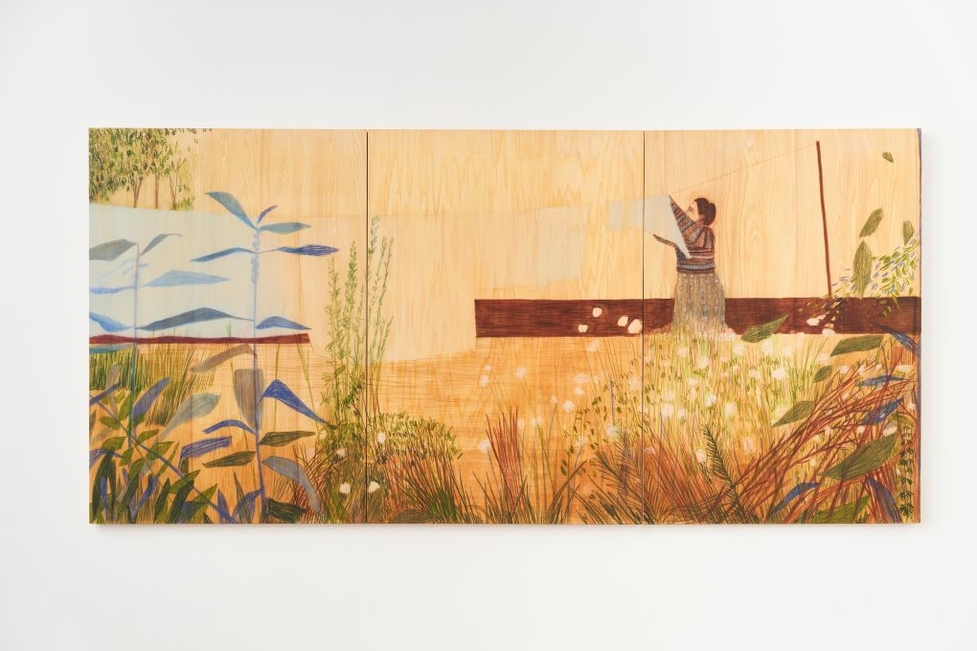
Pamela Phatsimo Sunstrum
Pamela Phatsimo Sunstrum’s (b. 1980, Mochudi, Botswana) work alludes to mythology, geology and theories on the nature of the universe. Her work includes imagery that reflects the diverse genealogies of her experience living in different parts of Africa, Southeast Asia, and the U.S. as well as ongoing research in ethnography, ecology, and quantum physics. The artist’s boundary-crossing practice centres Black female identity in the discourse of postcolonialism and neocolonialism, highlighting the contributions of overlooked historical figures while emphasising modes of knowledge and communication beyond the status quo.
In 2024, a major new solo exhibition opened at KM21 Den Haag, including a new large scale diptych painting within an installation that included items from the museum’s furniture collection. Sunstrum also presented her first solo exhibition titled ‘It Will End in Tears’, at a major UK institution, the Barbican Centre’s The Curve. Sunstrum took her life-size wood grain panoramas round the bend of the gallery, building a narrativised sequence with elements of film noir, crime fiction and pure drama.
Recent solo exhibitions include: ‘It Will End In Tears,’ Barbican London, UK (2024); ‘You’ll be sorry,’ Goodman Gallery, Johannesburg, South Africa (2023), ‘The Pavillion,’ London Mithraeum, Bloomberg SPACE, London (2023); ‘All my seven faces,’ Contemporary Art Center, Cincinnati (2019); Michaelis School for the Arts at the University of Cape Town (2018); Interlochen Centre for the Arts, Interlochen (2016).
Group exhibitions and biennales include: ‘Born in Flames: Feminist Futures,’ The Bronx Museum of the Arts NY, USA (2021); ‘WITNESS: Afro Perspectives’ from the Jorge M. Pérez Collection, El Espacio 23, Miami, USA (2020).
Collections include: Fries Museum, Leeuwarden, Hessel Museum at Bard College, New York, A4 Arts Foundation, Cape Town; The Fitzwilliam Museum, Cambridge; University of Cape Town, Cape Town; Deutsche Bank Collection, Frankfurt; El Espacio 23, Miami; FRAC des Pays de la Loire Contemporary Collection, Carquefou; University of South Africa (UNISA) Art Collection.
Sunstrum lives and works in The Hague, Netherlands.
Download full CV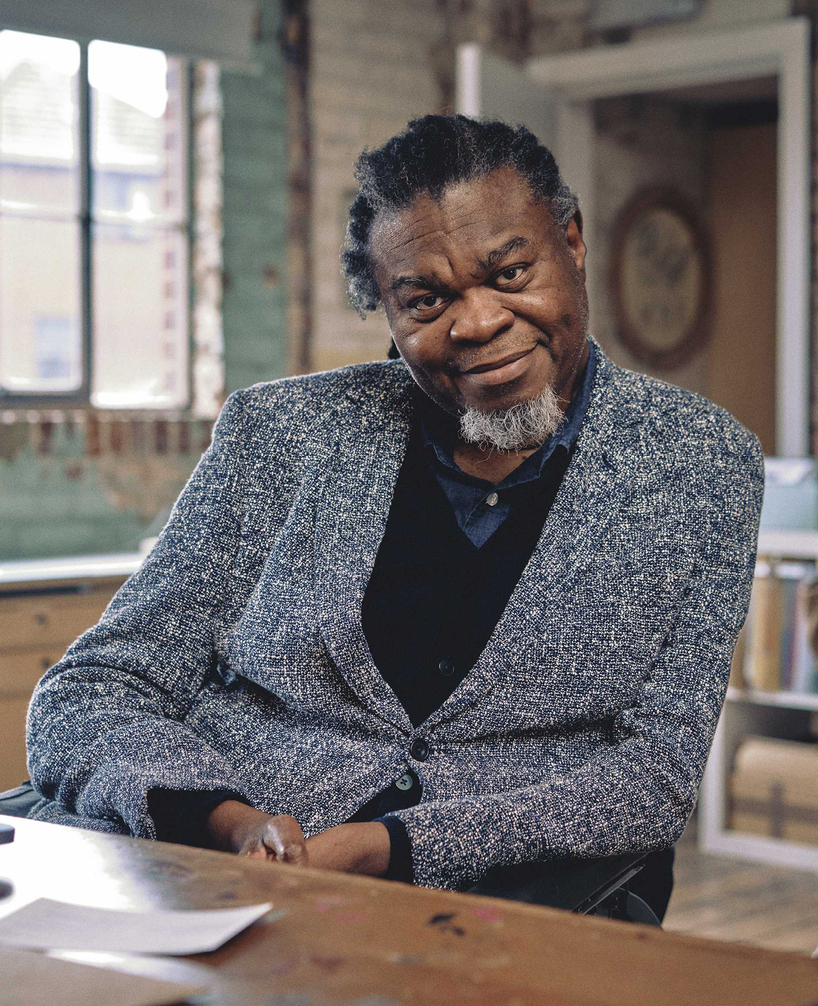
Yinka Shonibare
Yinka Shonibare (b. 1962, London, United Kingdom) studied Fine Art at Byam Shaw School of Art, London (1989) and received his MFA from Goldsmiths, University of London (1991). His interdisciplinary practice uses citations of Western art history and literature to question the validity of contemporary cultural and national identities within the context of globalisation. Through examining race, class and the construction of cultural identity, his works comment on the tangled interrelationship between Africa and Europe, and their respective economic and political histories.
In 2024, Serpentine Gallery, London UK, presented a solo exhibition of works in their Serpentine South gallery titled Suspended States. Shonibare’s work is also featured at the Venice Biennale 2024 as part of the Nigerian Pavilion, in the group show: Nigeria Imaginary.
To mark Sharjah Biennial’s 30th anniversary in February 2023, Shonibare was commissioned to create a series of new works for the exhibition. He also unveiled a new outdoor sculpture commissioned by the David Oluwale Memorial Association in Aire Park, Leeds as part of Leeds 2023.
In November 2022, Shonibare hosted the international launch of Guest Artists Space (G. A. S.) Foundation, a non-profit founded and developed by the artist. The Foundation is dedicated to facilitating cultural exchange through residencies, public programmes and exhibition opportunities for creative practitioners from around the world. The live/work residency spaces are set across sites in Lagos and a rural working farm in Ijebu, Ogun State.
A major retrospective of his work opened at the Museum der Moderne, Salzburg in the same year followed by his co-ordination of The Royal Academy Summer Exhibition, London which opened in September 2021. The survey solo exhibition, Yinka Shonibare CBE: Planets in My Head, opened in April 2022 at Frederik Meijer Gardens & Sculpture Park, Grand Rapids, Michigan followed by the unveiling in June 2022 of a major new sculptural work, Wind Sculpture in Bronze I at Royal Djurgården, Stockholm.
In 2013, he was elected a Royal Academician and was awarded the honour of ‘Commander of the Order of the British Empire’ in 2019. His installation ‘The British Library’ was acquired by Tate in 2019 and is currently on display at Tate Modern, London. Shonibare was awarded the prestigious Whitechapel Gallery Art Icon Award in 2021.
In 2010, his first public art commission ‘Nelson’s Ship in a Bottle’ was displayed on the Fourth Plinth in Trafalgar Square, London and is in the permanent collection of the National Maritime Museum, Greenwich, London. In 2008, his mid-career survey began at Museum of Contemporary Art, Sydney, travelling in 2009 to the Brooklyn Museum, New York and the Museum of African Art at the Smithsonian Institute, Washington D.C. In 2004, he was nominated for the Turner Prize.
Notable museum collections include: the Tate Collection, London; Victoria and Albert Museum, London; National Museum of African Art, Smithsonian Institute, Washington, D.C; Museum of Modern Art, New York; Moderna Museet, Stockholm; the Museum of Contemporary Art, Chicago; National Gallery of Modern Art in Rome and VandenBroek Foundation, The Netherlands.
Shonibare lives and works in London, United Kingdom.
Download full CV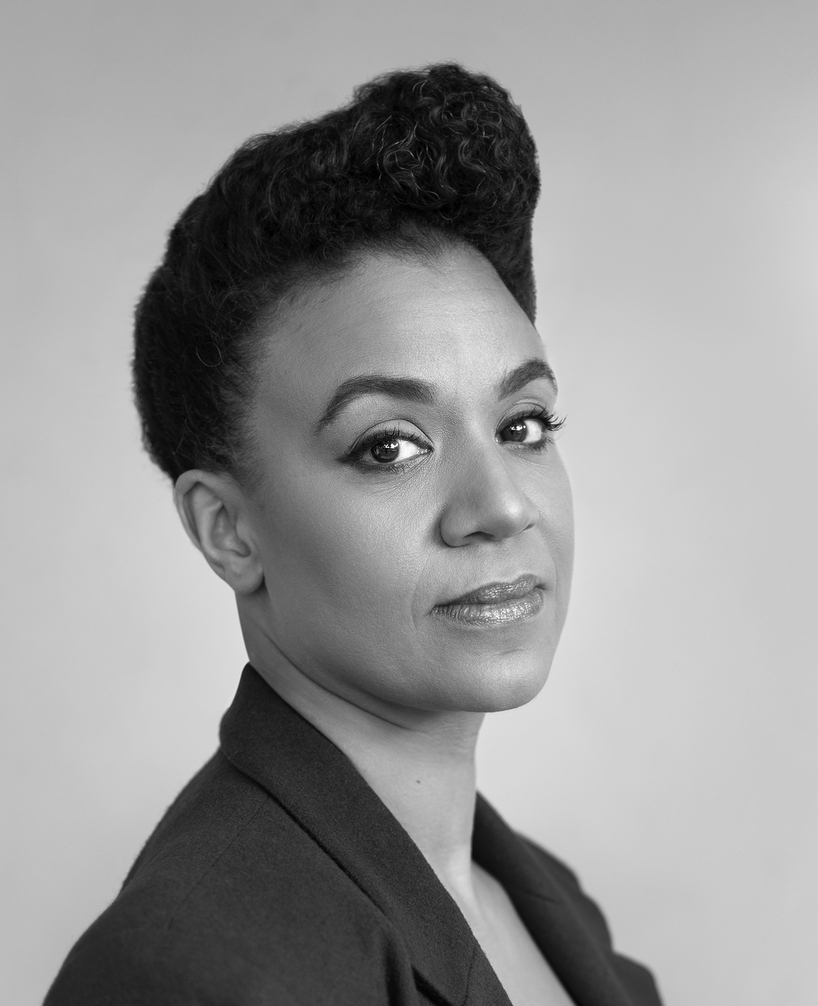
Kapwani Kiwanga
Kapwani Kiwanga (b. 1978, Hamilton, Canada) traces the pervasive impact of power asymmetries by placing historic narratives in dialogue with contemporary realities, the archive, and tomorrow’s possibilities. Her work is research-driven, instigated by marginalised or forgotten histories, and articulated across a range of materials and mediums including sculpture, installation, photography, video, and performance. Kiwanga co-opts the canon; she turns systems of power back on themselves, in art and in parsing broader histories. In this manner Kiwanga has developed an aesthetic vocabulary that she described as “exit strategies,” works that invite one to see things from multiple perspectives so as to look differently at existing structures and find ways to navigate the future differently.
In 2024, Kiwanga’s acclaimed solo presentation titled ‘Trinket’, for the Canadian Pavilion, at the 60th Venice Biennale, commissioned by the National Gallery of Canada, debuted a site-responsive sculptural installation made of conterie, also known as seed beads. The installation examined Global trade and transactional relations between Africa and Europe and continues the artist’s concerns with how diverse forms of power are manifested.
In 2023, Kunstmuseum Wolfsburg presented Kiwanga’s first comprehensive mid-career retrospective, ‘The Length of the Horizon’. This show includes her memorable Venice Biennale installation Terrarium (2022).
In 2020, Kiwanga received the Prix Marcel Duchamp (FR). She was also the winner of the Frieze Artist Award (USA) and the annual Sobey Art Award (CA) in 2018.
Selected group exhibitions include: Whitechapel Gallery, London (UK); Serpentine Galleries, London (UK); Yuz Museum, Shanghai (CHN); MOT – Museum of Contemporary Art Tokyo (JPN); Museum MMK für Moderne Kunst, Frankfurt (DE); Museum of African Contemporary Art Al Maaden – MACAAL, Marrakech (MAR); National Gallery of Canada, Ottawa (CA); Contemporary Arts Museum, Houston (USA); Hammer Museum, Los Angeles (USA); Centre Pompidou, Paris (FR); Musée d’art contemporain de Montréal, Montreal (CA); ARoS Aarhus Art Museum, Aarhus (DK) and MACBA, Barcelona (ESP).
Solo exhibitions include: Copenhagen Contemporary, Haus der Kunst, Munich; Kunstinstituut Melly – Center for Contemporary Art, Rotterdam; Kunsthaus Pasquart, Biel/Bienne; MIT List Visual Arts Center, Cambridge; Albertinum museum, Dresden; Artpace, San Antonio; Esker Foundation, Calgary; Tramway, Glasgow International; Power Plant, Toronto; Logan Center for the Arts, Chicago; South London Gallery, London and Jeu de Paume, Paris.
Collections include: NOMAS Foundation, Rome, Italy; FRAC PACA, Marseille, France; Guggenheim Museum, New York, USA; Museo de Arte Contemporanea de Castilla y Léon, MUSAC, León, Spain; Musée départemental d’art contemporain de Rochechouart, Rochechouart, France; National Gallery of Canada, Ottawa, Canada; Musée d’Art moderne de la Ville de Paris, Paris, France; Kadist Art Foundation Paris/San Francisco, France and USA; and Mead Art Museum, Amherst, USA.
Kiwanga lives and works in Paris.
Download full CV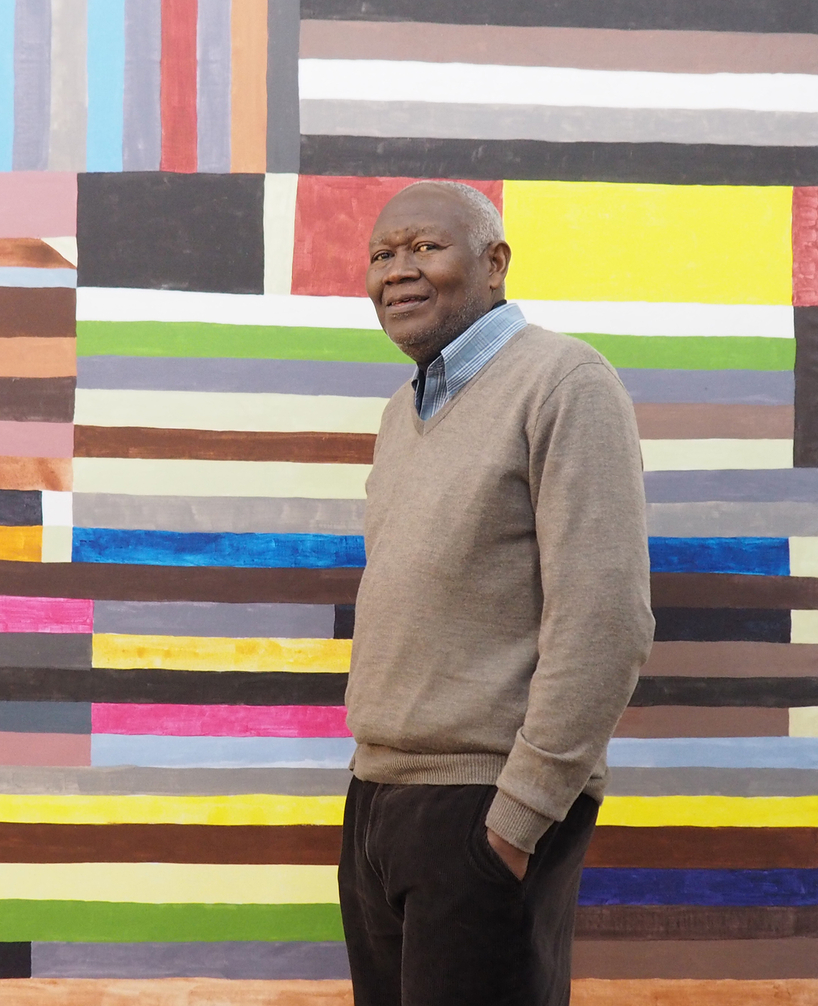
Atta Kwami
Atta Kwami (b. 1956, Accra, Ghana, d. 2021, UK) was a distinguished artist, art historian and curator, living and working between the UK and his home country, Ghana. His colourful works of vibrant geometric patterns are inspired by a wide range of influences, from Ewe and Assante cloth to jazz, the tradition of mural painting and the design of street kiosks along the roads of West-African towns. Kwami is known for expanding the notions of painting, basing his practice both in the visual world of his native Ghana and in reflections on modernism.
Atta Kwami studied, and later taught at the Kwame Nkrumah University of Science and Technology (KNUST). In 2007, Kwami received a PhD in art history, now published as _Kumasi Realism, 1951-2007: An African Modernism, in which he sought to explore past and present influences on West African art, with an emphasis on street art traditions throughout Kumasi, Ghana.
In 2021, the year he died, he was awarded the prestigious Maria Lassnig prize, which recognised later career artists deserving wider career recognition, and, in 2022, The Serpentine unveiled the final public mural commission by Kwami, ‘DzidzƆ kple amenuveve (Joy and Grace)’, which remains on view until September 2024.
This Spring, the Serpentine will publish a monograph about Kwami with Verlag der Buchhandlung Walther und Franz König, Köln supported by The Maria Lassnig Foundation and marking the first publication dedicated to examining the breadth of Kwami’s singular practice.
Kwami’s work is included in major collections around the world, including the National Museums of Ghana and Kenya; the V&A Museum, London; the National Museum of African Art, Washington, DC; The Metropolitan Museum of Art, New York; Brooklyn Museum, Brooklyn, New York.
Download full CV
El Anatsui
El Anatsui (b. 1944, Anyako, Ghana) is an internationally acclaimed artist who transforms simple materials into complex assemblages that create distinctive visual impact. Anatsui uses resources typically discarded such as liquor bottle caps and cassava graters to create sculptures that defy categorisation. Anatsui’s use of these materials reflects his interest in reuse, transformation, and an intrinsic desire to connect to his continent while transcending the limitations of place. His work interrogates the history of colonialism and draws connections between consumption, waste and the environment. But at the core of Anatsui’s work is his unique formal language that distinguishes his practice.
Anatsui is well-known for large scale sculptures composed of thousands of folded and crumpled pieces of metal sourced from local alcohol recycling stations and bound together with copper wire. These intricate works, which can grow to be massive in scale, are both luminous and weighty, meticulously fabricated yet malleable. He leaves the installations open and encourages the works to take different forms every time they are installed.
In 2023, Anatsui was awarded the highly reputable Hyundai Commission at Tate Modern’s Turbine Hall. He was also included in TIME magazine’s 100 most influential people of 2023. His major solo exhibition titled Behind the Red Moon, at the Tate Modern, explored elemental forces interwoven with human histories of power, oppression, dispersion and survival. In 2019, El Anatsui: Triumphant Scale, a major career survey curated by Okwui Enwezor, opened at Haus der Kunst and travelled to Mathaf: Arab Museum of Modern Art in Doha, Kunstmuseum Bern and Guggenheim Bilbao in 2020. In 2015, Anatsui was awarded the Golden Lion for Lifetime Achievement, the Venice Biennale’s highest honour. Anatsui’s solo exhibition Gravity and Grace: Monumental Works by El Anatsui, was organized by the Akron Art Museum, Akron, Ohio (2012), and travelled to the Brooklyn Museum, New York and the Des Moines Art Center, Iowa (2013); then to the Bass Museum of Art in Miami, Florida (2014); and concluded at the Museum of Contemporary Art in San Diego, California (2015).
Collections include: African Studies Gallery, University of Nigeria, Nsukka, Nigeria; Akron Art Museum, Akron, Ohio; Asele Institute, Nimo, Nigeria; The British Museum, London, UK; Brooklyn Museum, New York; Centre Pompidou, Paris, France; Guggenheim Abu Dhabi, Abu Dhabi, UAE; The Metropolitan Museum of Art, New York, NY; Jordan National Gallery of Arts, Amman, Jordan; Musée Ariana, Geneva, Switzerland; and Osaka Foundation of Culture, Osaka, Japan.
Anatsui currently lives and works between Ghana and Nigeria.
Download full CV